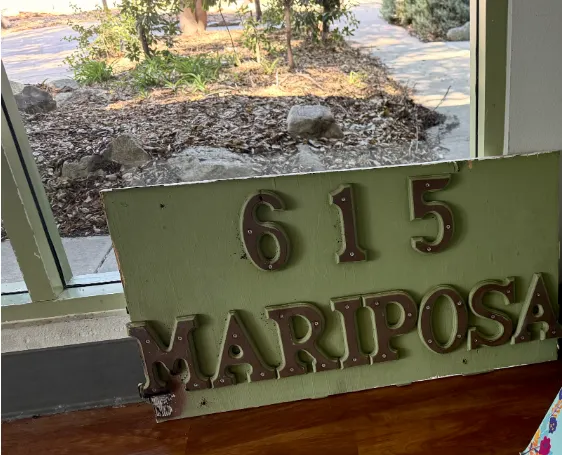
As the fire was burning, many members of the public inquired about the status of their favorite spots. For generations of area women and girls, one Altadena landmark sparked the greatest worry: Camp Mariposa. For 75 years, thousands of local girls have fondly called Camp Mariposa home. Whether there for a day, a week, or one or many summers, the girls and women of the Eaton Fire all had strong connections to this historic Altadena property. On the night of January 7, Camp Mariposa was narrowly saved from destruction by local father and firefighter, Nate Denver, and has undergone repairs and remediation for the past year. It is now nearly ready to reopen to the next generation of girls as 80 Girl Scouts each week participate in the time-honored rituals of summer camp.
Camp Mariposa’s origin story is sensational: originally the home of the “Parlor Provocateur,” socialist Chicago ironworks heiress Kate Crane Gartz, the lavish estate played host to Upton Sinclair, Albert Einstein, H.G. Wells, Charlie Chaplin, and many area civic leaders and titans of local philanthropy. Every Sunday for 20 years, her sprawling property at the northwest corner of Mariposa and Santa Rosa was home to a cadre of progressive artists, intellectuals, and activists. Known then as The Cloister, her home birthed another Altadena icon as she and her husband Adolph seeded Christmas Tree Lane by planting a line of deodars up Santa Rosa. Camp Mariposa was born after Kate Crane Gartz’s daughter, Gloria Crane Gartz, donated the property to the Girl Scouts. Gloria Crane Gartz was a fervent supporter of Girl Scouts and local women’s organizations.
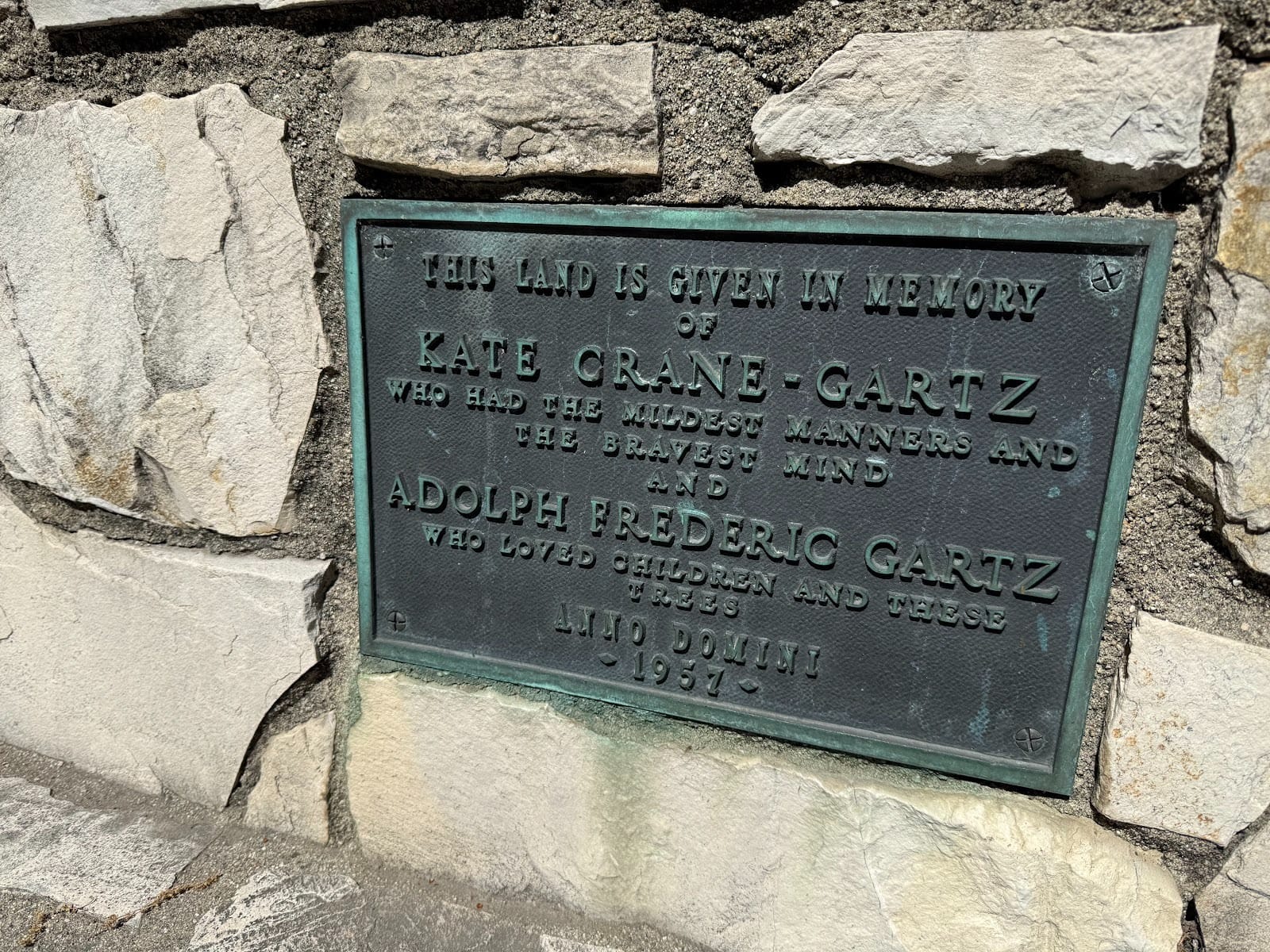
While no recorded history of Camp Mariposa exists, Los Angeles Public Library senior librarian Christina Rice located local news archives pointing to July 17, 1958 as Camp Mariposa’s formal dedication date. Ninety-five local Brownies were the first to christen the camp, and within months, Girl Scouts from the broader San Gabriel Valley began using it.
Andrea Sims Gibbs first set foot on Camp Mariposa in 1969 for her Brownie investiture. “We had the ceremony inside and I remember my dad being there. My mom was one of the leaders,” she recalled. “After the ceremony, I remember going as a family to Northwoods Galley. Then in the summer, my sister and I would go to Day Camp there, and I remember singing songs around the campfire.” In 2016, Andrea returned to Camp Mariposa as an adult, this time as her granddaughter’s troop leader. “It was so exciting to see that it was as beautiful as I remember!” she enthused. “The following year, I got to bring my troop there and give them a glimpse of what it was like when I was their age.”
“All repairs have been completed by licensed contractors, and the environmental remediation work was completed by contractors who were referred to us by Eaton Fire Residents United (EFRU). The property is in full compliance with the latest safety codes,” said Girl Scouts of Greater Los Angeles’s senior manager of customer engagement, Lori Zeman, in an email to local troop leaders.
That has been the extent of publicly available information, and not all families are happy with the Girl Scouts. It has been very difficult to get information about remediation efforts, and some area families doubt that it is safe enough to return. “My daughter went there for six summers,” said local troop leader Charlotte Kruse Dewaele. “But… there’s been no communication about what exactly they did to remediate the property - both structures and environment itself. It’s a major health risk for young children and I won’t be sending my child to camp or school in Altadena (nor do I really want to spend any consistent time there myself) for the foreseeable future.”
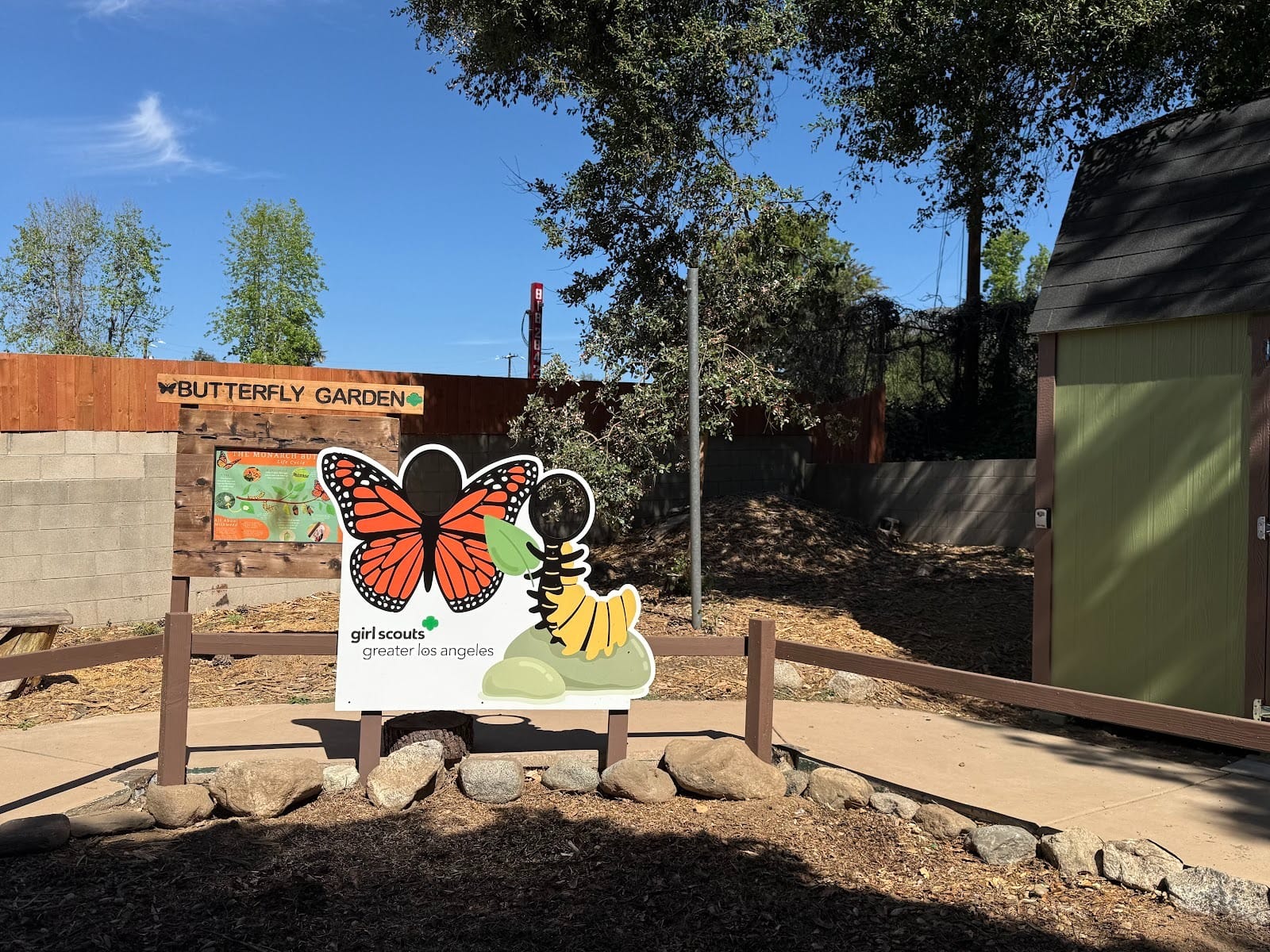
While no repair and remediation work details have been publicly released, staff present at the Planting the Future at Mariposa: Soil Superheroes! program on Saturday, March 21 spoke with parents and Girl Scouts regarding some of their work to make the camp safe for reopening. Brenda Zamzow, the council’s chief financial officer, told families that the structural repair work was achieved through a $45,000 donation of new siding for the camp’s burned main program building. Lynn Fang, a soil scientist and co-founder of SoilWise, which has provided post-fire soil contaminant testing and bioremediation consulting, discussed the critical work that started in October to render Camp Mariposa safe for children again.
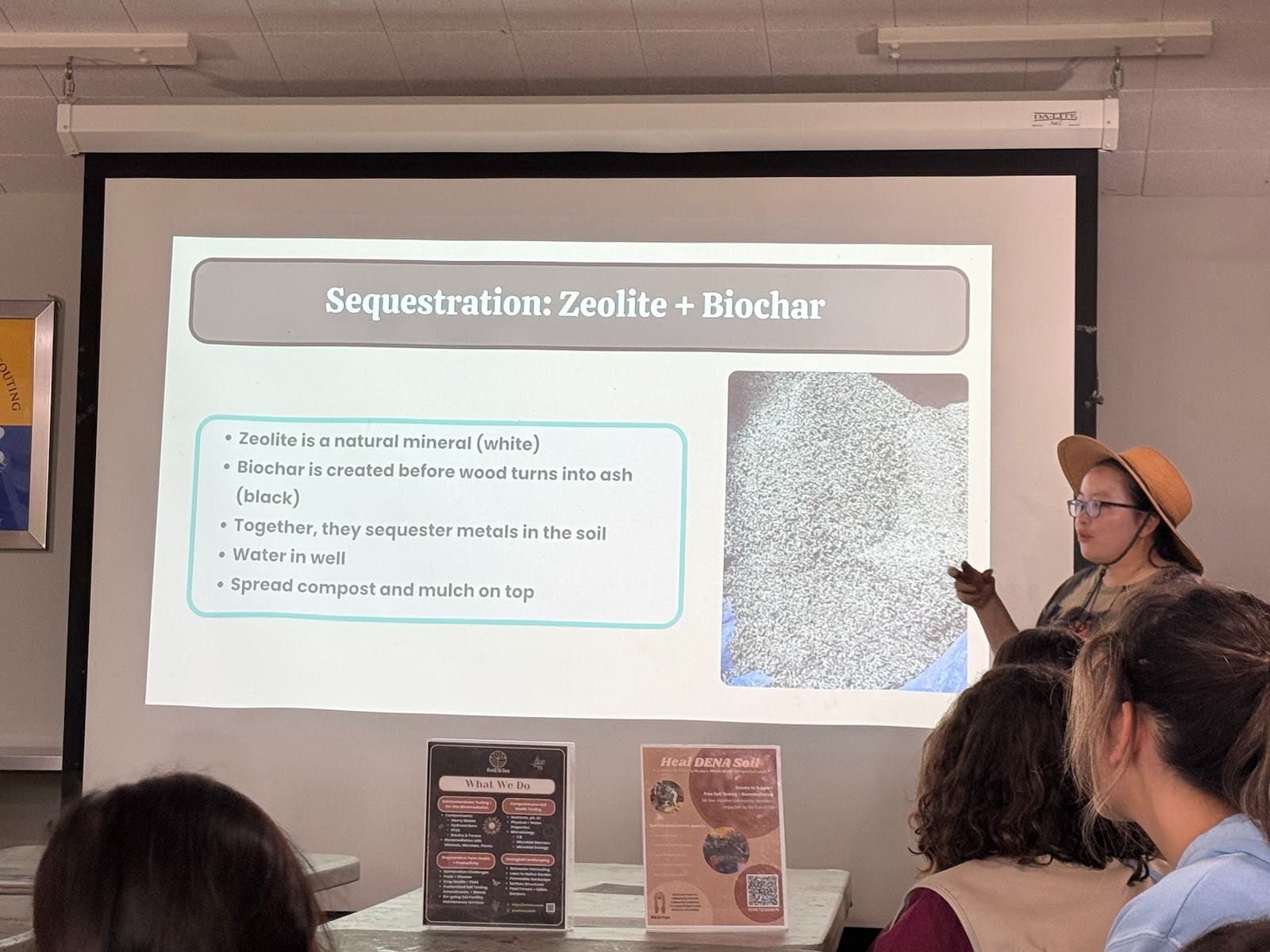
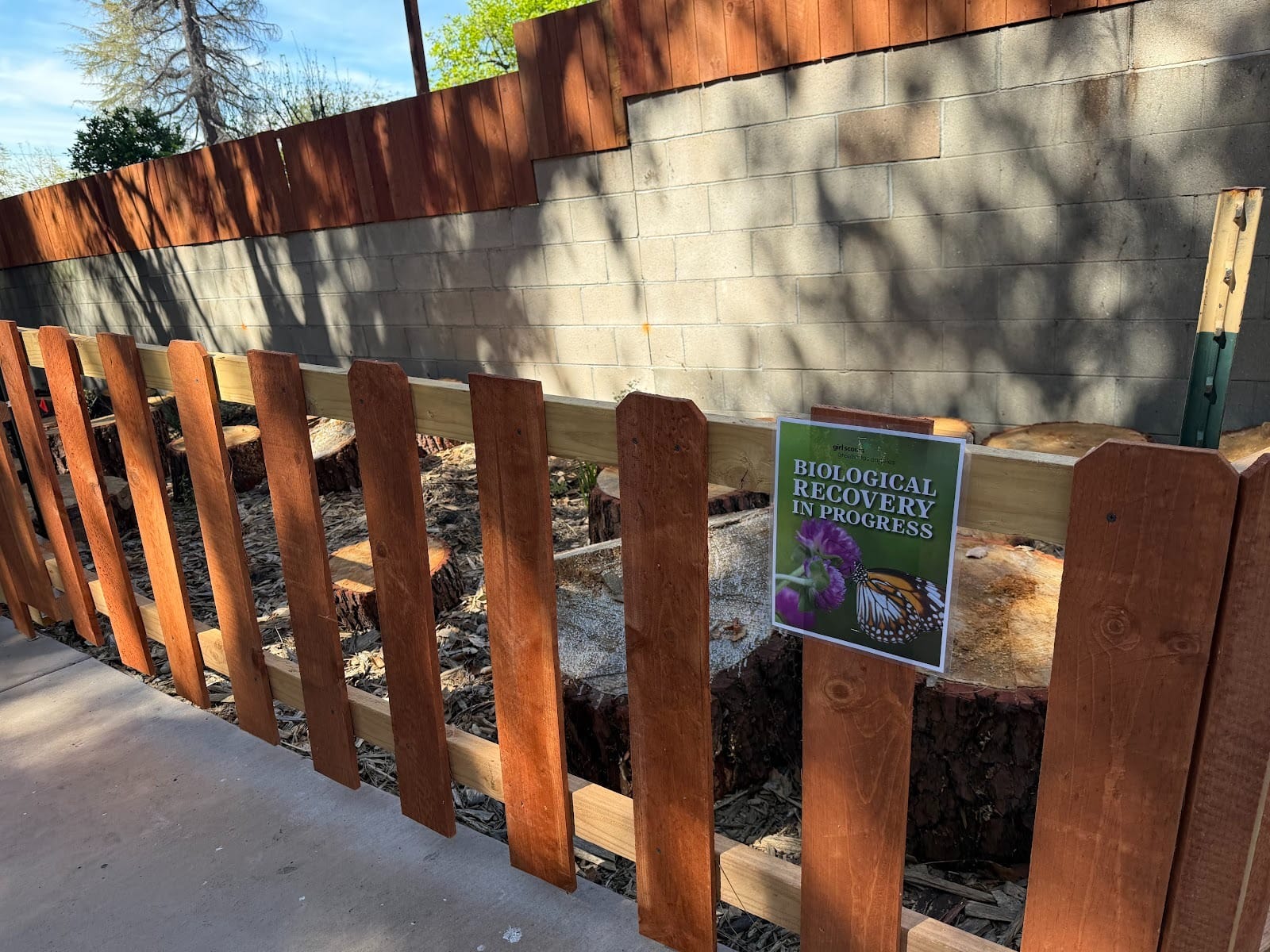
Importantly, and controversially, no soil was removed from Camp Mariposa in its remediation efforts. Many local residents have strongly pushed for the Army Corps of Engineers’ previous standard of removing six inches of topsoil from fire-damaged properties— known as “scraping”; organizations such as SoilWise, however, dispute whether scraping is the most effective— or fair— means of ensuring safety, when contaminated soil often ends up dumped in other communities. SoilWise believes that bioremediation is a more egalitarian and comprehensive community-led approach that can effectively remove common fire contaminants, such as lead, arsenic, dioxins, and PFAS over time, as well as promote general regenerative soil health.
In just six months of bioremediation, “Camp Mariposa is largely cleaned up, but there are just a few areas” of concern that still require remediation, Lynn noted. In particular, areas along Camp Mariposa’s fenceline continue to test positive for high levels of contaminants (more than 100 parts per million). Since beginning testing on the property in October, SoilWise has used heavy metal sequestration techniques with zeolites, biochar, and compost rich in beneficial microbes and fungi, and over the next several months, they will move onto mulching and phytoremediation to further reduce contaminant levels.
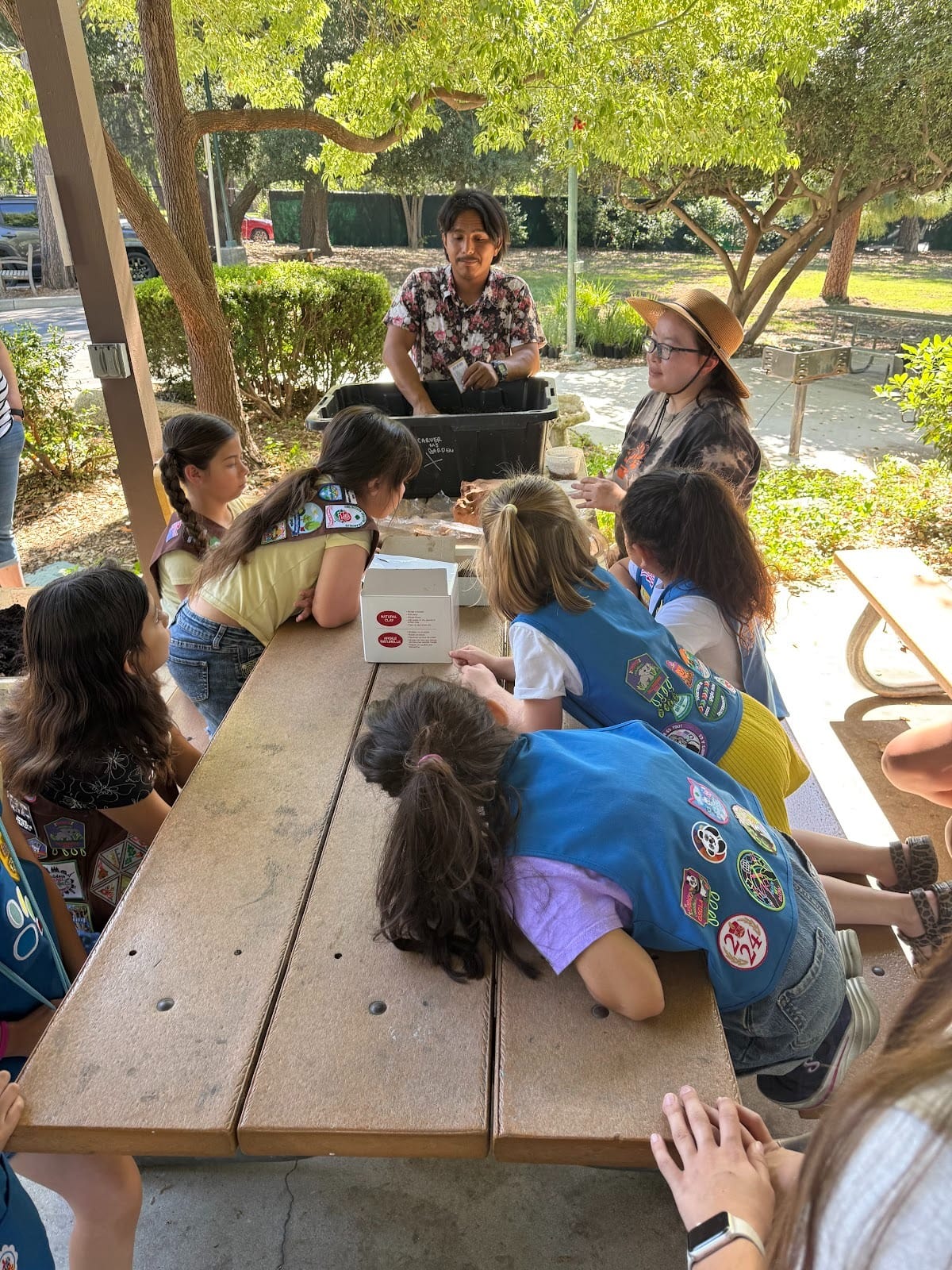

Local Girl Scouts helped prepare phytoremediation seed bombs filled with some of the most effective plants for fire contaminants— sunflowers to remove lead and PFAS, buckwheat to remove lead, and saltbrush to remove arsenic. The seed bombs are a mix of natural clay, compost, and seeds— easy for little hands to assemble, and even easier for them to enthusiastically throw to the ground. Will it work? The SoilWise scientists believe so, but it will take time (complete phytoremediation is a two year-long process) and they noted that repeat soil testing is too expensive. Where’s another ultra-wealthy socialist ironworks heiress when you need one?
Girl Scouts of Greater Los Angeles Outdoor Girl Experience Manager Giselle McKenzie reassured parents at Camp Mariposa’s sparsely attended open house March 28 that the areas of highest contamination concern will be cordoned off and prohibited from access by camp counselors. As she was speaking, my daughters and the other girls ran straight to the fenceline and started playing there. We washed their hands well and wondered with some unease how camp counselors would keep 80 girls out of the toxins for the next two years, assuming the slow phytoremediation process is successful.
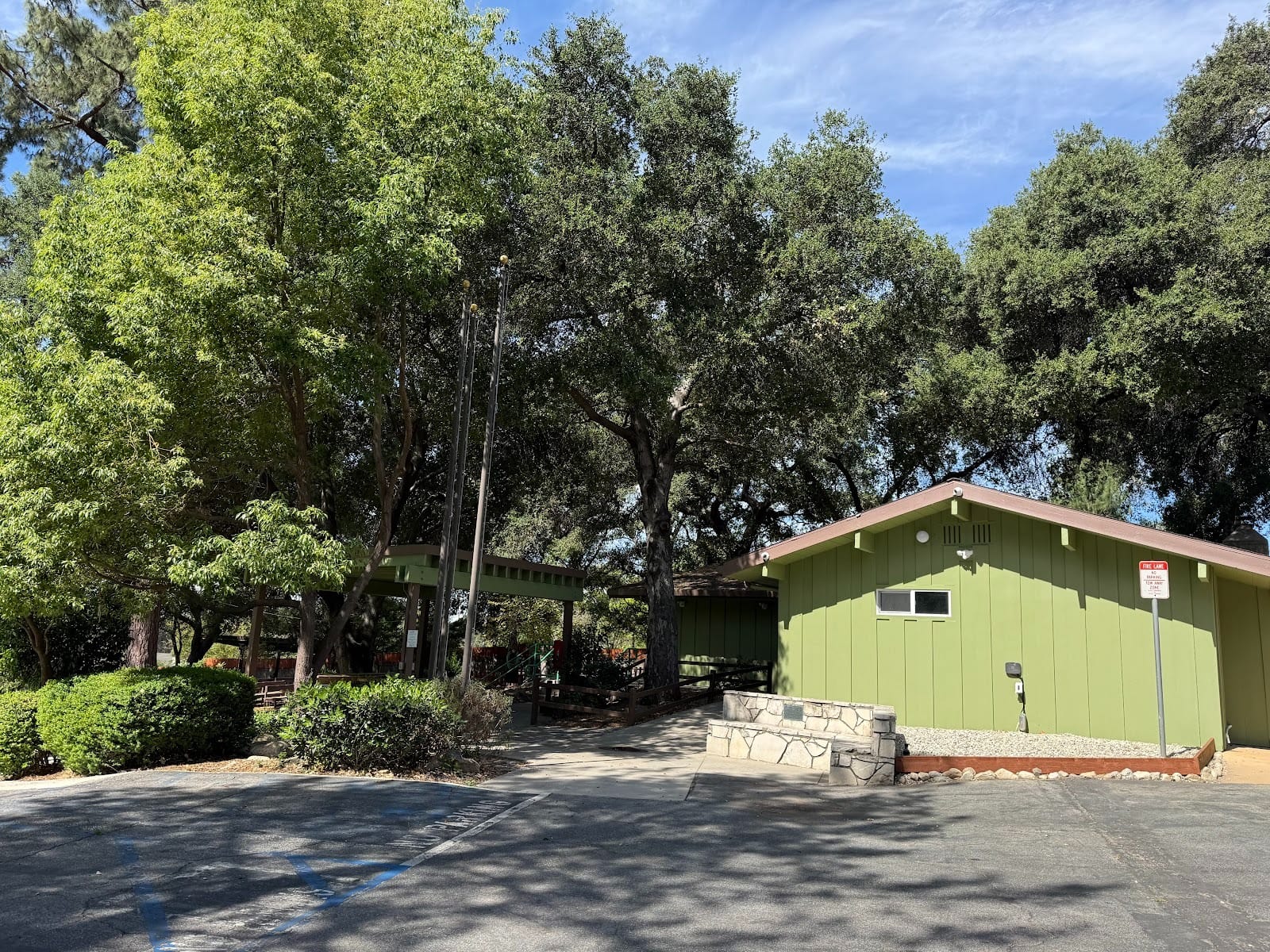
In May, Camp Mariposa will have its first major public reopening celebration for the broader community of the Crown Poppy Service Unit in Altadena, Pasadena, and Sierra Madre. On June 7, it will host Mariposa Camp Family Fest, a family picnic celebration with camp staff. Summer camp begins on June 15, and runs for six weeks through July 24. Financial aid is available.
Disclaimer: The content shared in our blog is for informational purposes only and should not be considered legal, medical, or financial advice. Please consult with a qualified professional for guidance specific to your situation.