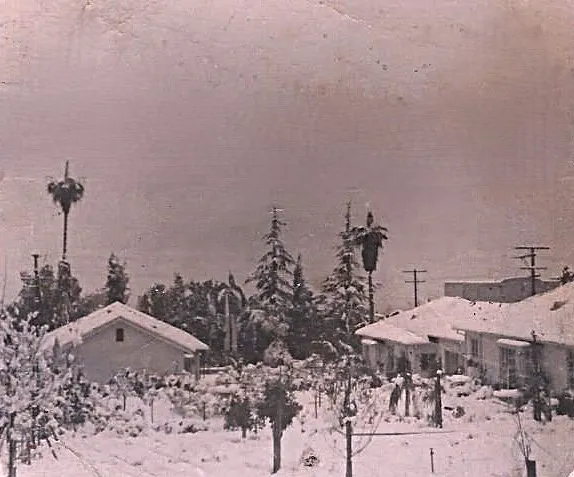
Nearly a year ago, the January LA fires violently obliterated our beloved homes, landmarks, businesses, and possessions overnight. Tragically, cherished loved ones and pets succumbed to this disaster, and many thousands of others were displaced. The people, places, and things that comprised our history and identity were left in shambles.
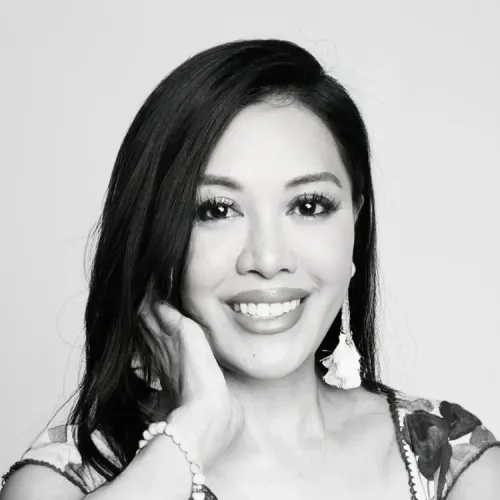
I was a renter and lived in Altadena for 3 years before my home was destroyed in the fires. In the incredibly challenging process of rebuilding my life, I found refuge in the LA community where people came together in such a profound way. They anchored me and gave respite from my weariness. The people of Altadena are still standing, bowed but not broken. The fires eliminated our familiar views and landmarks, but it did not erase the deep history and collective spirit of our community.
As the holidays and one year anniversary of the fires approach, I am left with haunting Christmas memories of family, friends, and pets coming over to a home I no longer have. Like many fire survivors, I had to muster all the strength I could to prepare for the holidays. I really miss my old home and life. It still hurts so much.
However, I am learning that grief and hope can co-exist. Gratitude has become a form of resistance, a survival mechanism to counter the effects of this catastrophic loss. Activism is my way of coping.
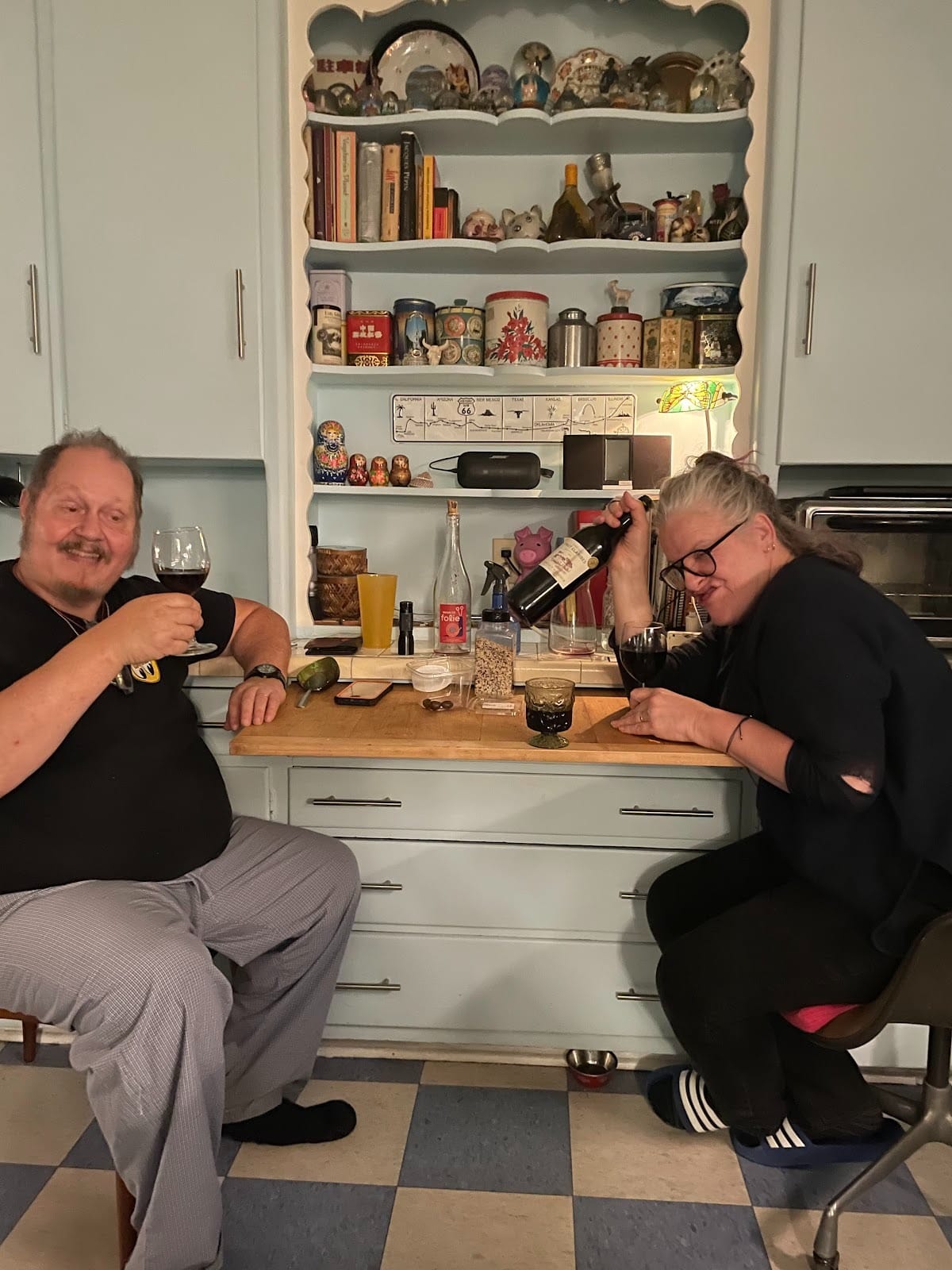
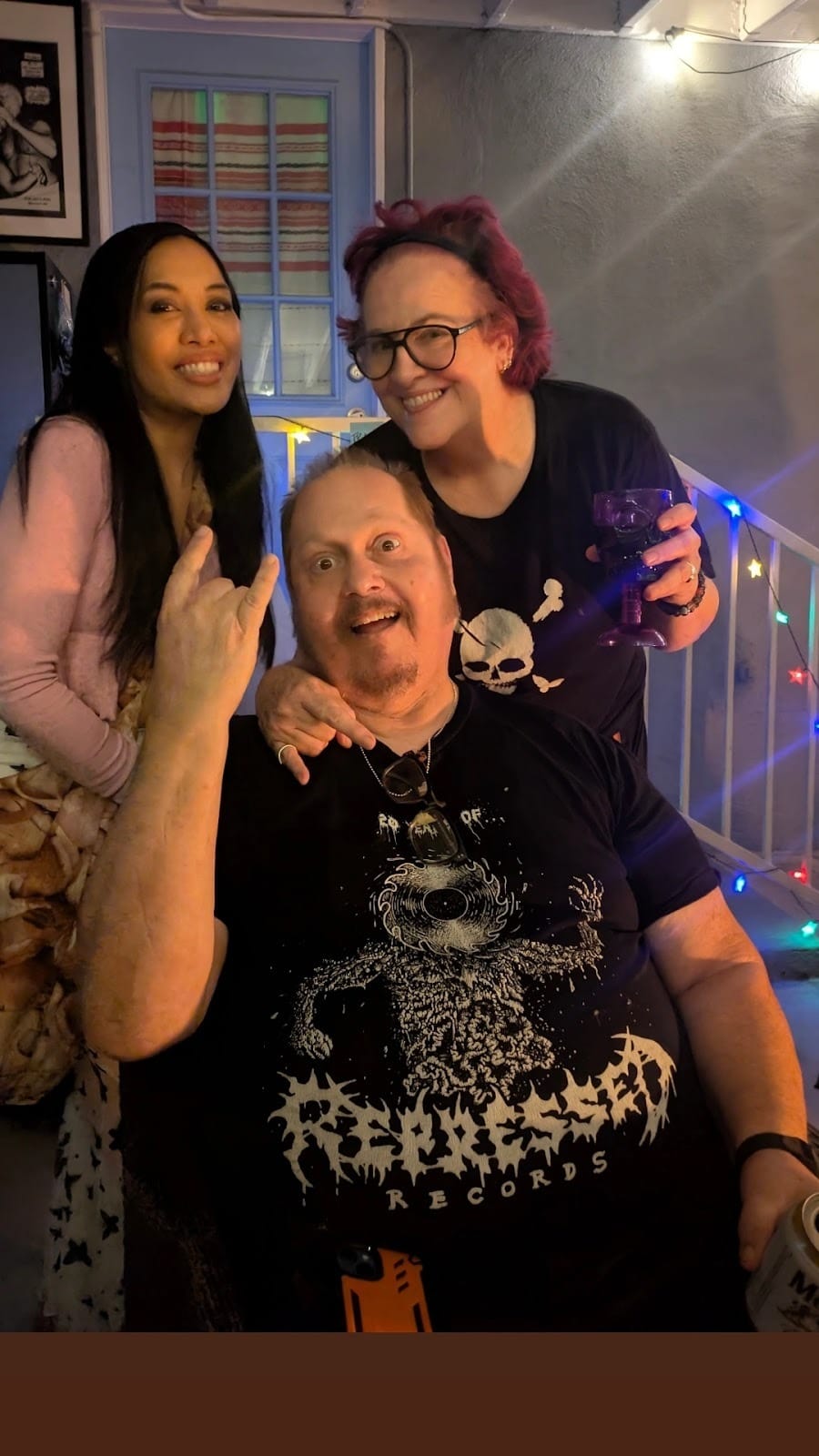
Altadena is changing. With many burned lots sold to outside developers, our deep community history and legacy are at stake. I wanted to capture the spirit of our unique and special, tight knit community by gathering with long-time Altadenians to share memories of our everyday lives. By honoring our history, we can inform the future. So I reached out to my former neighbors and long-time Altadenians, Susan Doepner-Senac and Hermann Senac. Susan, a wildly talented costume designer, lost 30 years of costumes in the fires, some that she handmade herself. Her husband, Hermann, a gifted musician and drummer since 1974, lost his 50-year music collection, instruments, and equipment in the fires. Tragically, two of their sweet pets also perished in the fires.
Until the Eaton Fire, they lived in a standalone bungalow court style rental apartment built in the 1940s - symbolic of a bygone architectural era of multi-family bungalow apartments. We were renters who lived in the same apartment complex. For renters, the emotional rebuilding is different when we don’t have the decision making power and hope to structurally rebuild.
As I entered their current home, they greeted me with cookies and tea. We talked about our shared love of the San Gabriel mountains. “I was really happy living in the Altadena foothills. There were times when I walked down our street, coffee in hand, and it felt so blissful as the soft sunlight shone through the old trees - It really felt like THIS IS THE LIFE. It sounds cliché but it's true,” I said wistfully. “Us too,” Susan and Hermann agreed.
We talked about Altadena, and Susan shared, “There was an elderly couple who lived in the bungalow across from us and they welcomed us with a pie. So old school. Later, Corby moved in with the kids, Maribel and Mateo, and they are the nicest people. They had two weiner dogs. We were instant friends… There was always something going on, and Mirabel and Mateo used to come over to our house when they were little… They would just come into the house and welcome themselves in. On the weekends, when I liked to sleep in, they would come in and snuggle up to me and call me their ‘other mom.’” What a sweet life.
Susan and Hermann reminisced about the nightlife. “Across the street, was the Rancho Bar, and there were nights when all of us, our neighbors, Brijean, Andrew, Corby and everyone ended up at the Rancho Bar unknowingly.” We all laughed at how unique it was that you could drink all night across the street at Rancho Bar on Saturday and then wake up on Sunday morning in bed listening to the live gospel choir singing praise and worship from the lovely Lifeline Fellowship Church behind our apartments Sadly, the bar and church were lost in the fires.
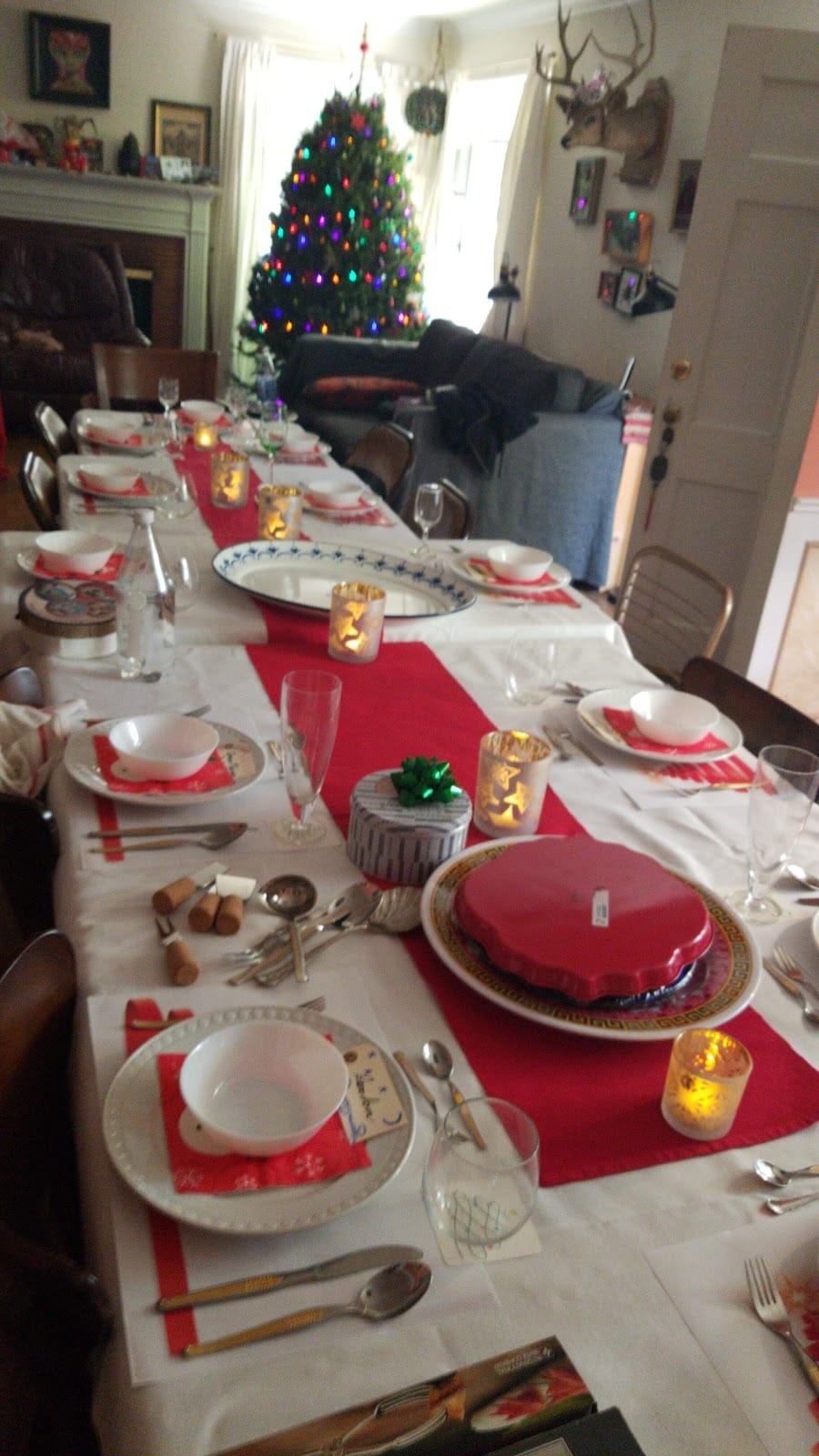
The Senacs were famous for their Christmas parties. Susan loves Christmas. “I took care of my parents when they were dying in the house, 12 years ago. When my parents were still alive, and because Germans are very private, Christmas is just the immediate family. It was just my parents and I. When we came to the States, I was always so envious - because people had Christmas parties. We had special dishes and silverware from my parents' restaurant that they owned back in Germany. We had hand-embroidered Christmas table cloths that my aunt and mother made. I had coasters with each of the train stations in Germany on them. It was so formal and I loved it. I loved entertaining. When they passed away, a lot of our friends were single and didn’t have families to celebrate with so I wanted to continue the tradition. I started hosting orphan Christmas parties, and one year we had up to 14 people who attended.”
God, I love these people. There was so much goodness in our community. The memories we shared warmed and broke my heart all at once. How special our lives were.
‘What can we glean from all of this?’ After a contemplative moment, Susan says , “What we have gone through is a gift. We are given the opportunity to reevaluate everything in our lives and as screwed up as it is, this is a moment to savor. Something good is coming from this. I am angry that the powers that be didn’t do their job, because if they did we would all be sitting in our homes right now… I want to be aware. I want to be compassionate.”
Susan possesses the wisdom of lived experience and intelligence as she speaks, “For me personally, I had to get my brain elasticity back. It gets difficult when you are in your 60s and I don’t think of myself as an old person. It's different to have to turn on a dime than it was 10 years ago. To be able to do that now, it’s a gift. Look at the gift we are having now, to exchange heartfelt emotions and thoughts and come together with each other.” I can’t help but feel proud to know her and Hermann. We came through the fire and survived.
There are times when words don’t suffice, and I turn to art to speak for me. I met Keni “Arts” Davis, plein air (on-site) artist at the Altadena Art Show this year. I know him through his artwork. His pieces serve as a visual documentary of the places that characterize Altadena. He is an artist and a visual historian. Keni’s latest series, “Beauty for Ashes,” consists of before and after the fire paintings of places that were destroyed by the Eaton Fire. A fellow displaced fire survivor and Altadenian of over 40 years, he lost his home and is rebuilding.
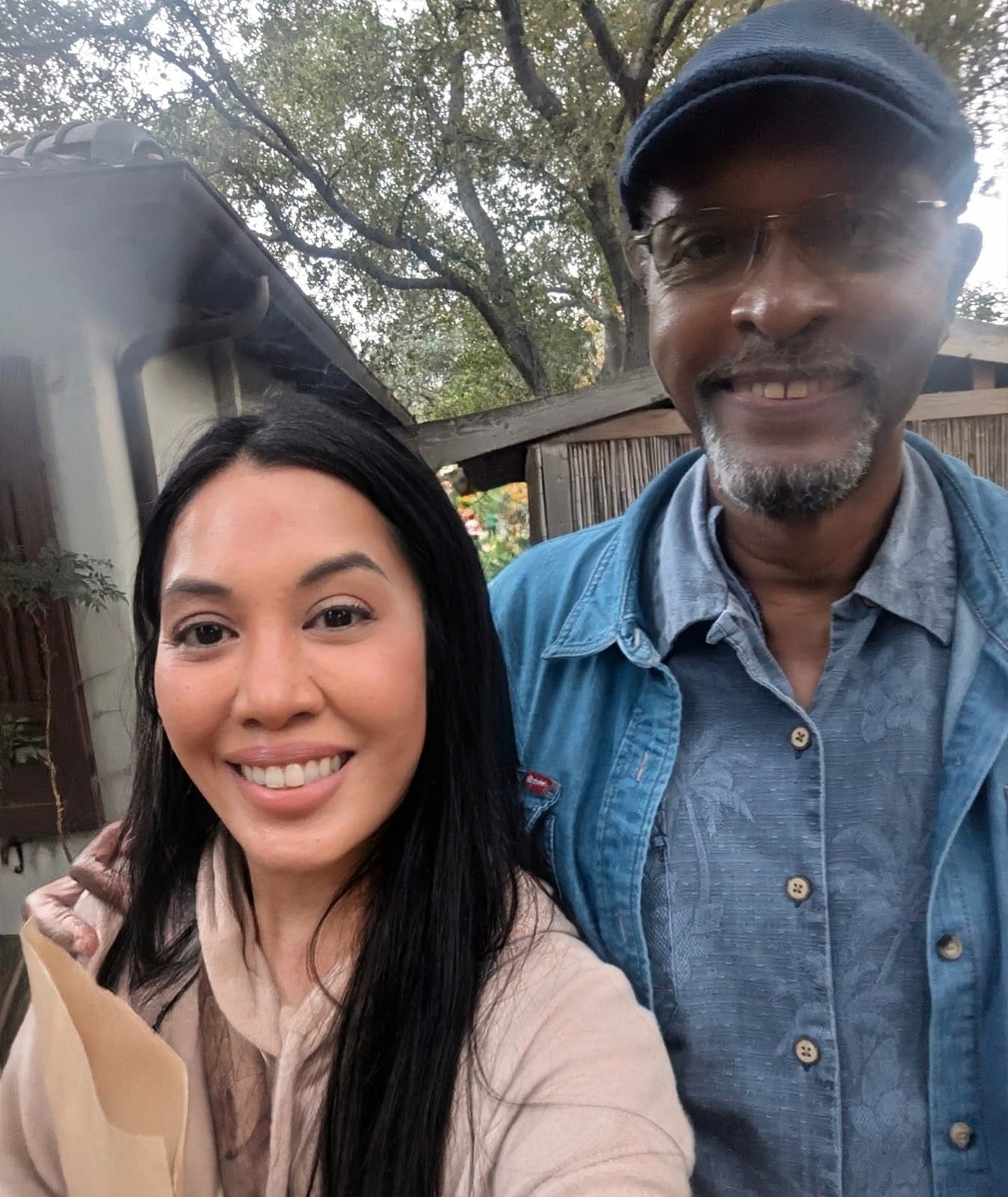
We discuss the diverse experiences and reactions that people have when it comes to death and loss. While some tend to block out a painful past, Keni on the other hand, heads straight towards the destruction and paints it. As we walk through the art show together, he points to his painting of Farnsworth Park. Built in the 1930s, its outdoor amphitheater and park was a cherished gathering place for picnics and community events. “Right after the fires, I went to Farnsworth Park to paint it. Ashes everywhere. Security was all around. I said ‘I want to paint this,’ but was told I had to leave because it was fenced up, so I left. I went home, prayed and prayed because I wanted to paint Farnsworth Park. The next day, I found out the fence blew down, and so I went back and painted it.” I smiled, delighted his prayers were answered.
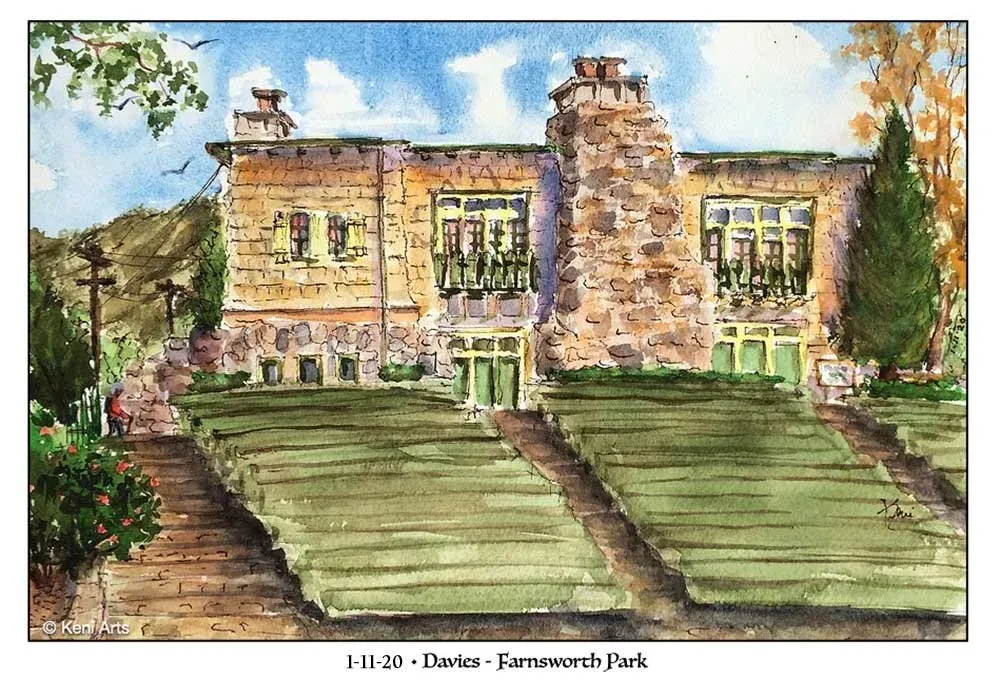
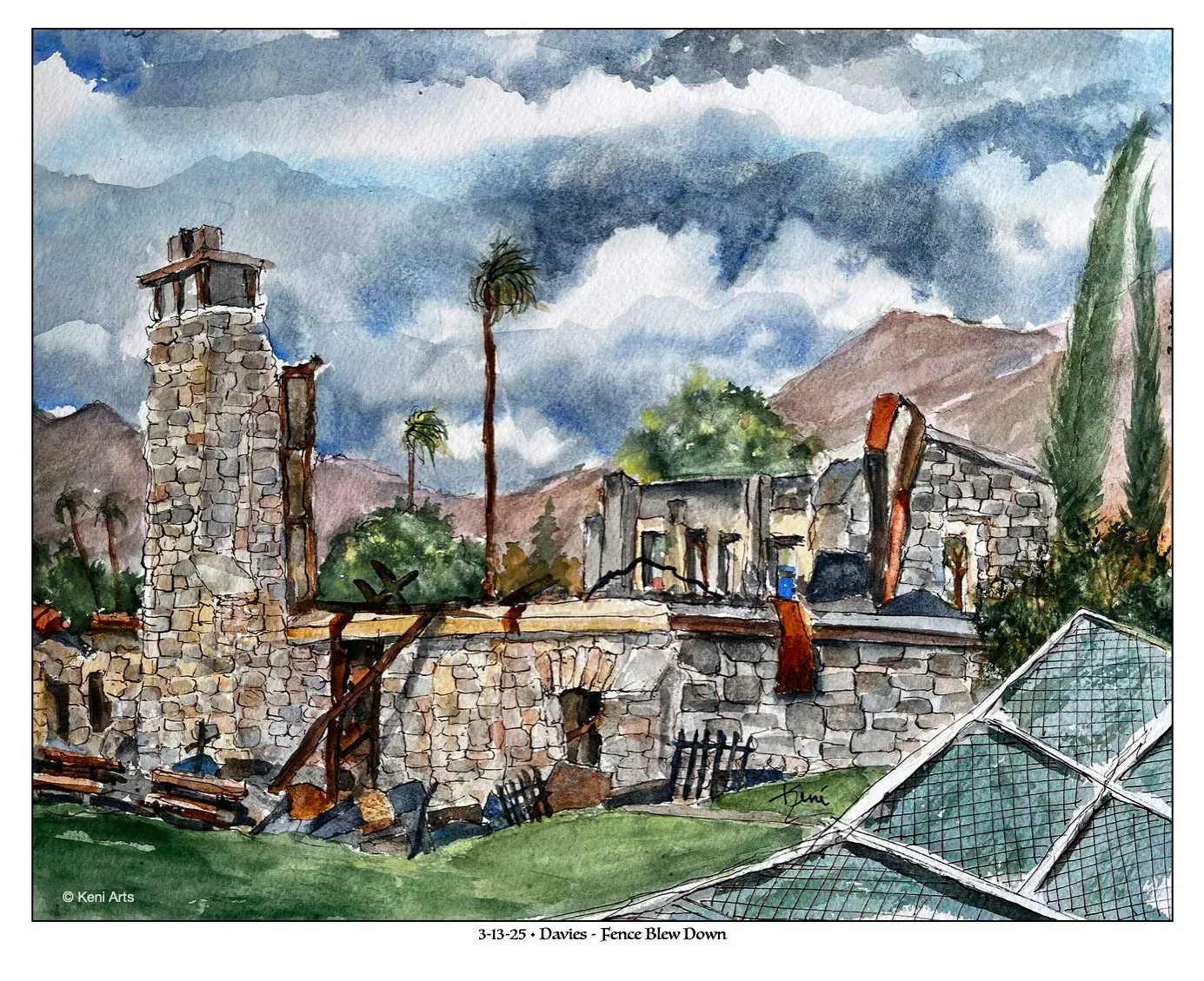
Keni started college intending to be an architect, but his true calling was art. He understands that everyone deals with grief and loss differently. “I sell the paintings as a pair - before and after, but some people have told me seeing the ‘after’, with the buildings and places destroyed, is too sad. So I get that and they can give back the ‘after’ painting,” he says compassionately.
His paintings create connection and relatability, an acknowledgement and acceptance I didn’t realize I was consciously seeking. Taking in his landscape paintings made the deep, silent wounds I carry inside and can't find words for, seen and put on display. The paintings give tangible form to intangible memories, creating space to mourn and celebrate the everyday places and rituals destroyed.
I asked him his thoughts on rebuilding, especially for long-time renters at risk of getting priced out. Keni responds thoughtfully, “It’s very sad. It’s not an easy decision to make, but for those who are able to return, I try to encourage them. Altadena will be different, but it’s the people who make Altadena.”
Everyday we dedicate our lives and absolutely everything we have to rebuild emotionally and mentally (not just structurally). The exhausting processes, the frustrating roadblocks, and systemic failures compounded by grief can leave us on the verge of collapse at times. Yet the fire relief efforts, the community of friends and strangers banding together in love sustain us.
I hope we can pay tribute to our shared history and identity as we recover. We cannot move the needle on the timeline when it comes to healing and rebuilding, but our experiences can carry on and wisely inform the future of our community. This is the precious gift we are given - love that seeps through the cracks. May the fires light the way in solidarity, hope, and love for this next chapter of history in the making.
Disclaimer: The content shared in our blog is for informational purposes only and should not be considered legal, medical, or financial advice. Please consult with a qualified professional for guidance specific to your situation.