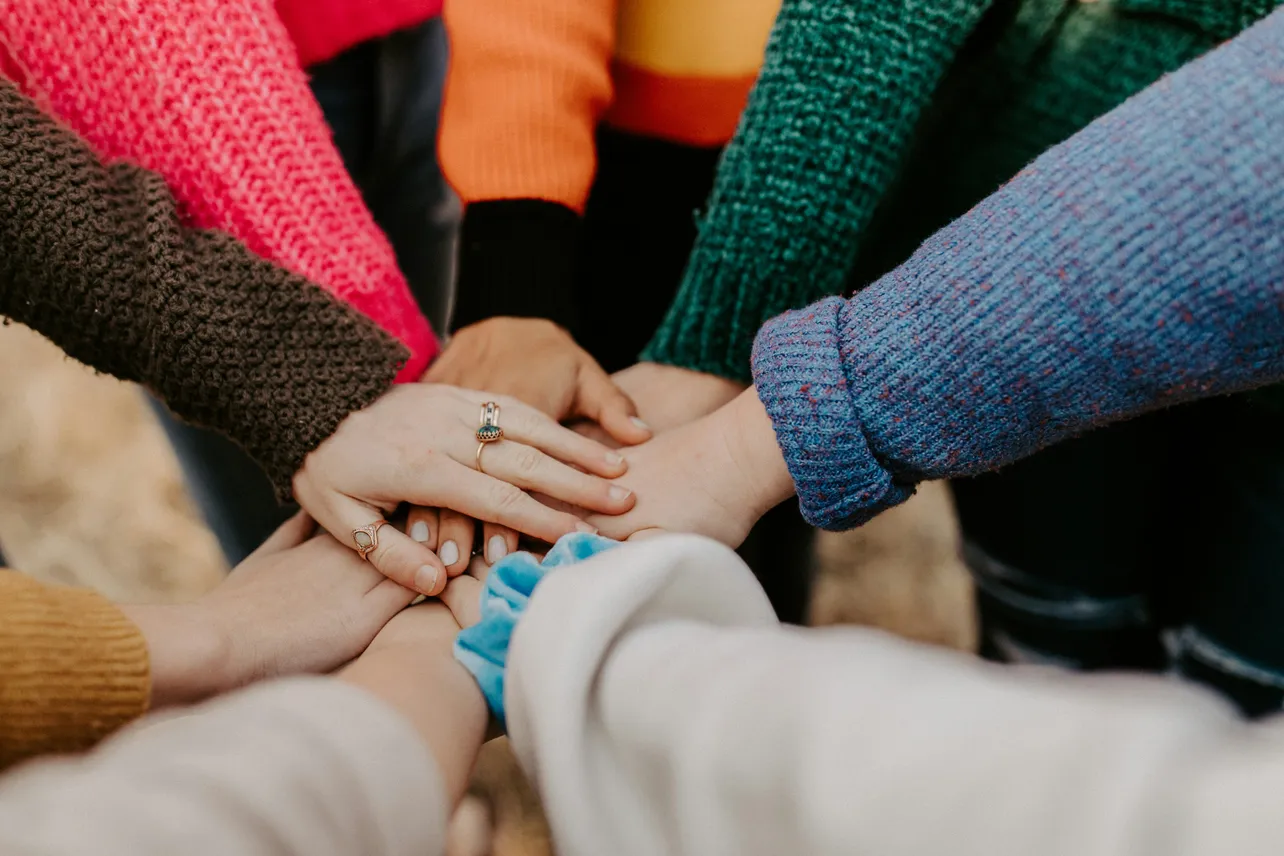
"We are caught in an inescapable network of mutuality, tied in a single garment of destiny. Whatever affects one directly affects all indirectly." - Dr. Martin Luther King Jr.
In times of crisis, it’s more common than you might think to see members of a community go out of their way to care for their neighbors. While often labeled “charity” and treated as unexpected responses to disaster, these selfless acts actually follow a long tradition of solidarity.
This tradition is called mutual aid, and it has sustained communities across the globe for centuries. In a potential future beset by climate change, economic instability, and other issues, it may just be one of the best ways forward.
Here’s what you need to know about mutual aid, including what it is, how it works, and how to get involved.
What is Mutual Aid?
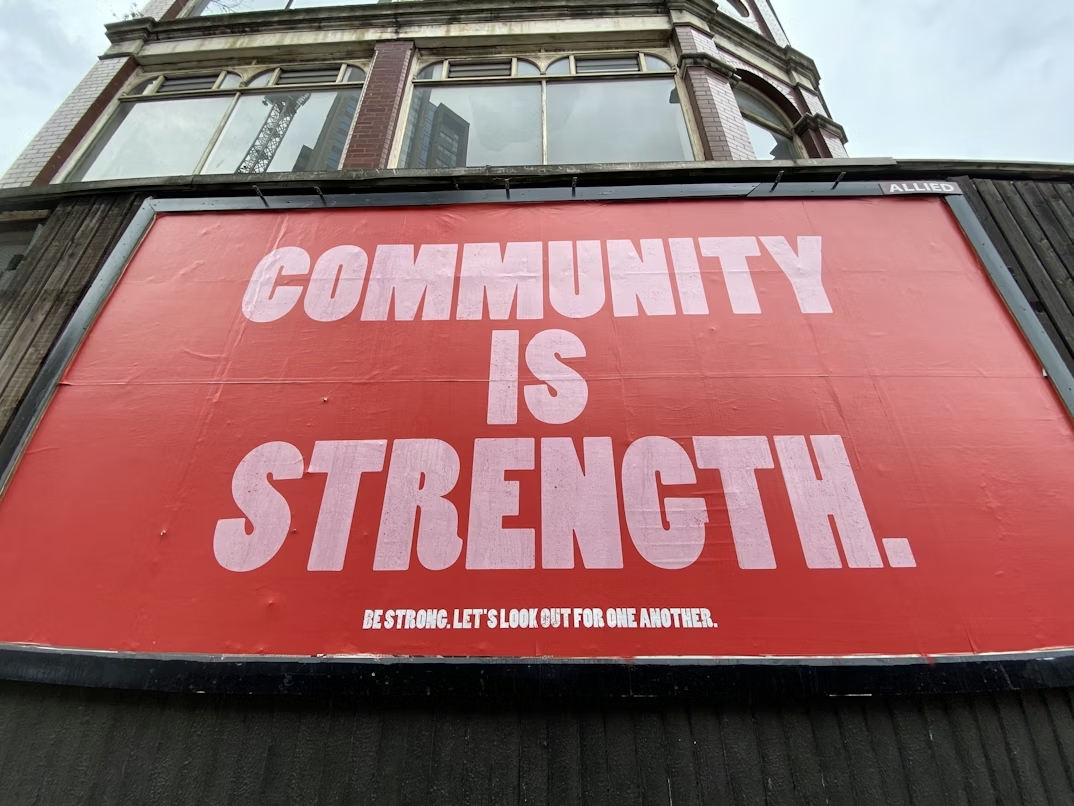
Technically, mutual aid is a form of civic or political participation where the members of a community work to meet each other’s needs and challenge the societal conditions that created that need in the first place.
Put another way, it’s people caring for one another.
Mutual aid is founded on the principle of “solidarity, not charity.” Unlike traditional charity organizations, mutual aid networks don’t operate by a top-down model. Instead, these organizations help out members of their community in a much more horizontal way.
If a member of a community has a need, a mutual aid network will help meet that need without judgement, red tape, verification, or any other sort of gatekeeping. No one is “above” another person in a mutual aid network. Everyone is both a “giver” of help and a “receiver” of help in equal measure.
Think of it like this: Maybe this month, your car breaks down. Another member of your community has a working car, and offers to drive you to work until your car is fixed — with no strings attached. The next month, this same person loses their job, so members of the community might pitch in to ensure that they have enough food and gas while filing for unemployment.
Put this way, mutual aid networks often feel like a group of friends just helping each other out. The radical idea is when you start building networks of people that do this as a natural part of existing in a collective, rather than as a “favor.”
Origins of Mutual Aid
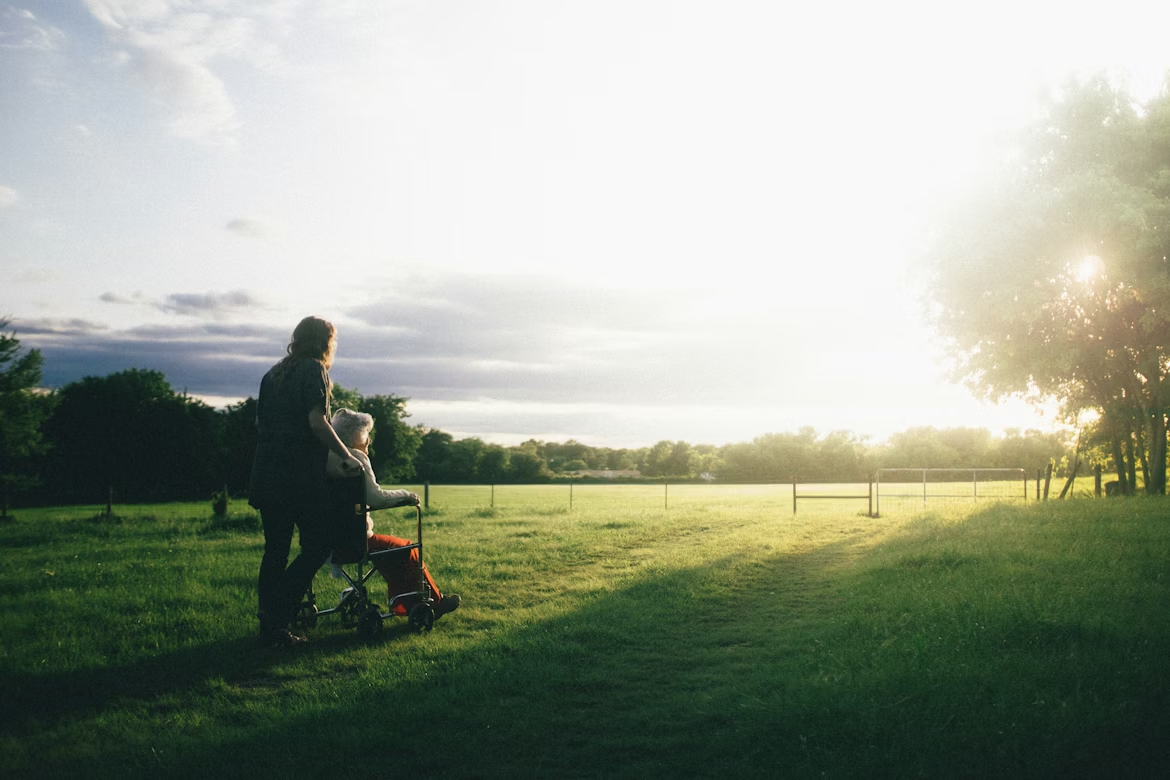
Mutual aid is not a new or radical idea — it’s a reflection of how human societies have functioned for millennia.
Indigenous communities across the globe, for example, have long practiced forms of communal resource-sharing. Many of these civilizations saw individual well-being as wholly inseparable from community well-being. To them, these two concepts were one and the same.
“From an Indigenous perspective, there is no separation between the health of the individual, the health of the community, and the health of the planet,” writes Dr. Nicole Redvers, an Indigenous health professor, member of the Deninu K’ue First Nation, and author of the book The Science of the Sacred.
Later, the concept of mutual aid became codified in the West by political philosopher Peter Kropotkin, who published Mutual Aid: A Factor of Evolution in 1902. In it, he argues against the idea of “survival of the fittest” as constant competition. Instead, through scientific and philosophical inquiry, he shows that the species and communities that thrive are the ones most likely to cooperate with each other.
This idea is fundamentally scientific. There’s even an entire branch of evolutionary biology dealing with altruism, or the fact that many species – including humans – practice cooperation, resource-sharing, and self-sacrificial behaviors even if these actions don’t benefit the individual carrying them out.
In human society, the popular narrative is that nature is wild, and communities struck by disaster will naturally devolve into lawlessness and anarchy. That isn’t the case. As writer and activist Rebecca Solnit writes in her book A Paradise Built in Hell:
“As so often happens in disaster, people need to give, and giving and receiving meld into a reciprocity that is the emotional equivalent of mutual aid. People shifted imperceptibly from needing to do something practical in response to the disaster to needing to participate, belong, and discuss.”
Why Mutual Aid Matters
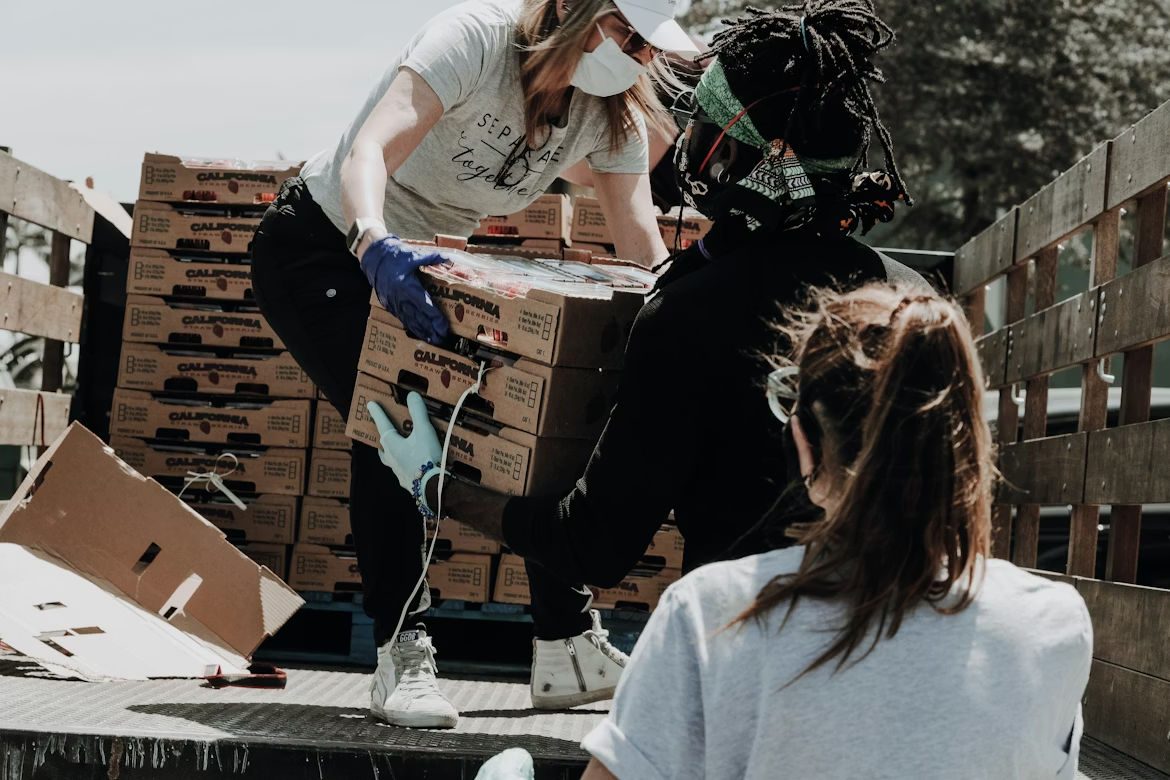
Mutual aid is founded on a simple principle. If you’re hungry, you deserve to eat. If you’re thirsty, you deserve to drink. If you need help, you should receive it without shame, judgement, or any expectation of repayment.
On a pragmatic level, mutual aid networks can help communities thrive, even in the face of disaster. When implemented in a community, mutual aid can:
- Fill gaps in aid and assistance: There are numerous nonprofit organizations, government assistance programs, and charities out there. Still, even the most well-resourced of these organizations aren’t able to help everyone.
- Build resilient communities: Charity is often thought of as temporary. Mutual aid, on the other hand, is about building an infrastructure of resilience. Communities that have a shared responsibility of taking care of their own are the most likely to thrive through unstable times.
- Bring people together: Loneliness is literally poison. Mutual aid can buck against the loneliness epidemic by giving people communities in which they can actively participate. While this can be useful in a crisis, there’s plenty of data suggesting that regular volunteering is also incredibly good for your mental and physical health.
- Provide a low barrier to entry: Compared to the paperwork needed for government assistance or the long wait times of traditional charities, mutual aid networks often have zero barriers to receive assistance. Because they’re made up of community members, they can also move faster to meet needs than larger organizations.
- Work toward fundamental change: One of the most radical facets behind mutual aid is the idea that this is how communities are meant to operate. By participating in networks of collective care, you are actively working to change the world and build a kinder, more generous, and more connected society.
How to Get Involved
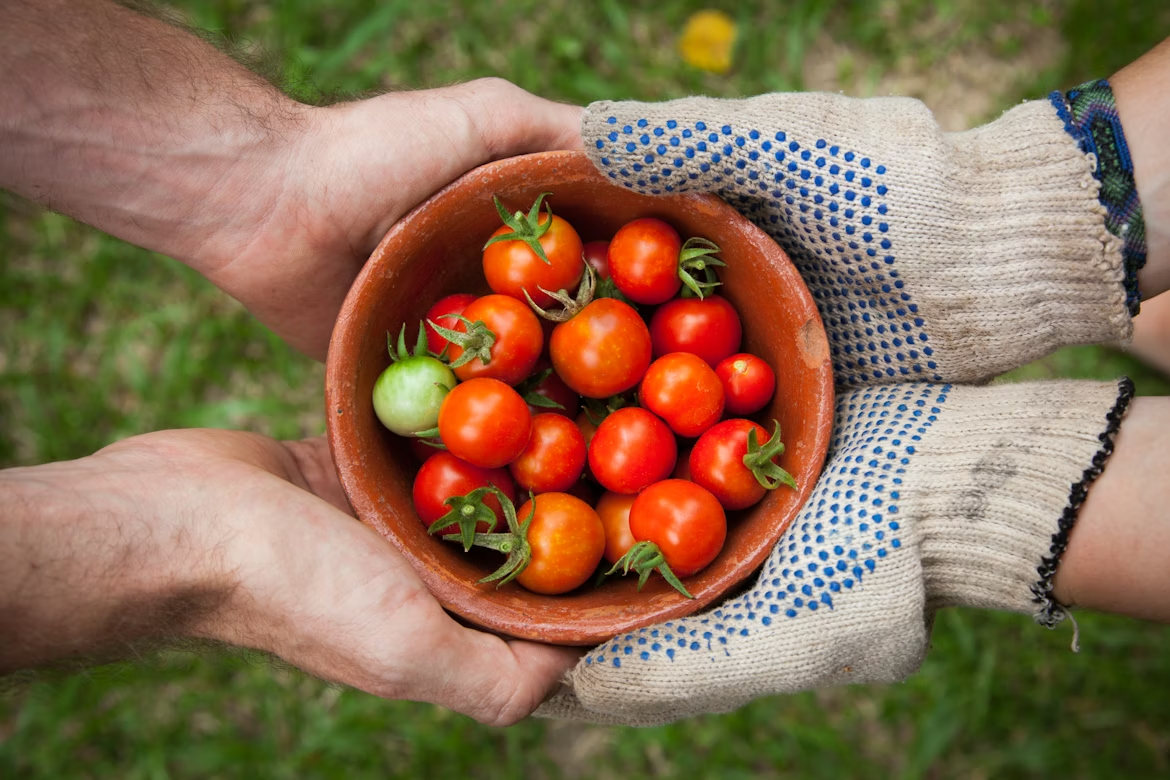
Mutual aid is, by definition, flexible and nimble. It can also take many forms. It can look like cooking meals for sick or overwhelmed neighbors, or it can look like a community garden or tool-sharing program. It might even look like a “tanda,” the informal lending clubs among some Mexican-American families where people pool money together and take turns receiving a lump sum.
If you’re feeling inspired to help out your community and participate in collective care, here are some practical steps.
- Assess your own skills, abilities, and resources: Whether you’re a great home cook, a professional graphic designer, or you just have an abundance of oranges from a backyard tree, take stock of what you can offer someone in your community. Maybe you have an extra hour on the weekend to make a grocery delivery, or you’re really good at organizing spreadsheets. Assistance doesn’t need to be financial (though it can be).
- Look into existing mutual aid networks: Mutual aid groups have seen a resurgence since the COVID-19 pandemic, and there are likely networks operating in your own city or region. Angelenos can use Mutual Aid Los Angeles Network (MALAN) as a resource for finding and connecting to groups in your area.
- Start small (and practice mindfulness): As mentioned earlier, individual health is intimately connected to community health. If you burn yourself out or use up all your resources, you might be harming your community despite your good intentions. Start where you are, use what you have, and do what you can.
- Listen, don’t tell: One of the most important facets of mutual aid is hearing community members and meeting them where they’re at. Don't go into a community and tell them what they need. Ask what is missing and offer your hands to help build it.
Mutual Aid is About All of Us
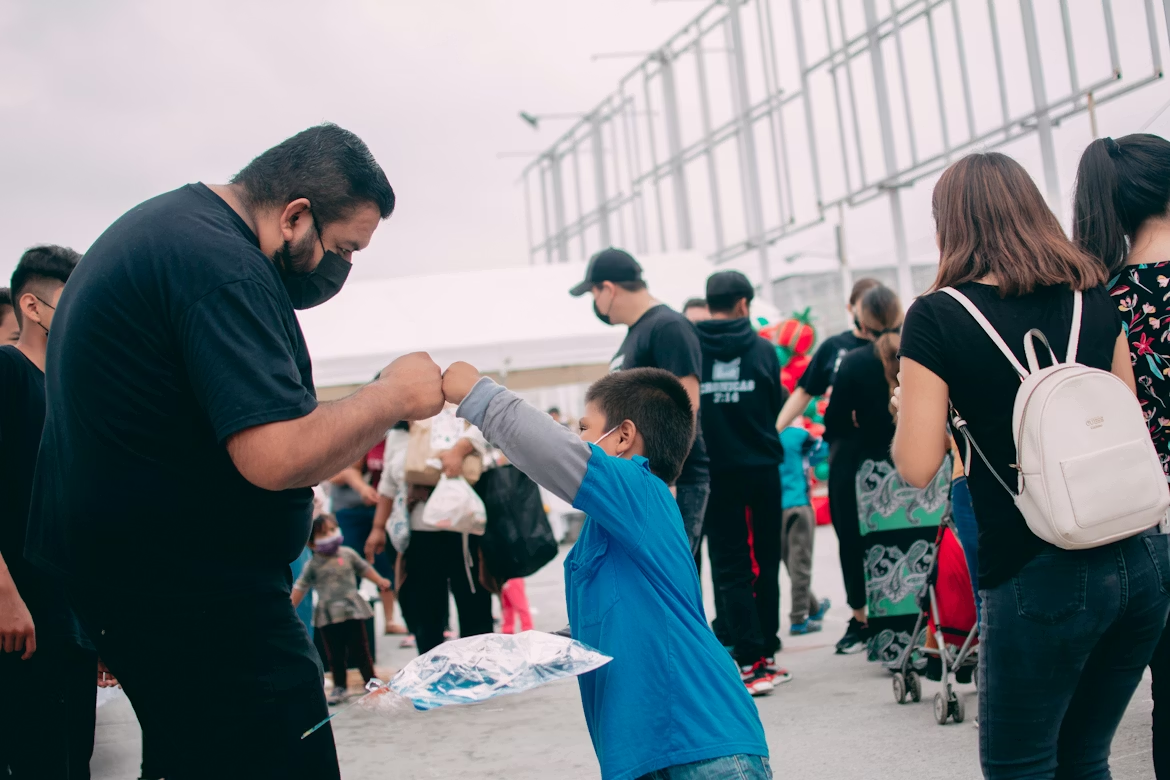
Mutual aid is about shared humanity. It transforms how we care for each other beyond systems that may overlook or exclude us. In a world facing climate shocks, economic precarity, and social fragmentation, mutual aid isn’t just helpful. It’s essential.
As Potawatomi botanist and author Robin Wall Kimmerer writes in her book Braiding Sweetgrass: Indigenous Wisdom, Scientific Knowledge, and the Teachings of Plants, “When times are easy and there's plenty to go around, individual species can go it alone. But when conditions are harsh and life is tenuous, it takes a team sworn to reciprocity to keep life going forward. In a world of scarcity, interconnection and mutual aid become critical for survival.”
Put much more informally, many mutual aid networks have a motto along the lines of:
“I got you, you got me, we got us.”
Editor's note: If there’s a mutual aid effort we should know about, feel free to leave a comment below to give them a shoutout or help us expand this resource.
Disclaimer: The content shared in our blog is for informational purposes only and should not be considered legal, medical, or financial advice. Please consult with a qualified professional for guidance specific to your situation.