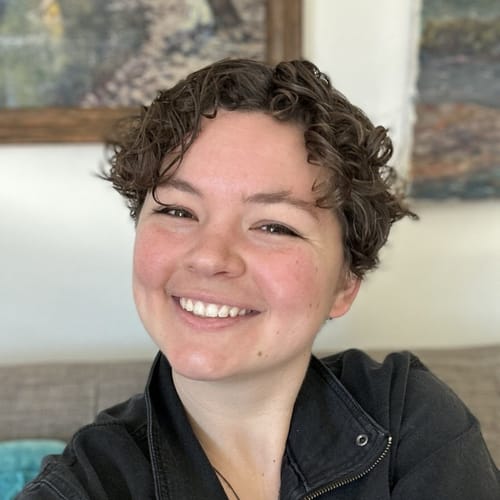
In early January of 2025, everyone in Altadena was living separate lives. It was eclectic, artsy, and “feral.” I had just celebrated my one-year anniversary of moving into a 99-year old Janes Cottage in West Central Altadena. My daily commute involved driving past the neighbor who was building his own - slightly crooked - second story, and waving at Norman, the 7 foot werewolf Halloween decoration-turned-seasonal fashion icon.
But when the fire raged through my neighborhood on January 7th and 8th, leaving charred heaps of debris in its wake, I sensed all of my neighbors' independent streaks were converging to a single path: we were homeless, directionless, and suffering.
Now, many months after the fire, those descriptors are still more or less true. Yet, our special Altadenan idiosyncrasies have reemerged, particularly in how homeowners have decided to (or not to) rebuild their destroyed homes. As a block captain under the group Altagether, I have the honor of hearing the hopes, concerns, and musings from total loss survivors as they navigate the wide world of housing options.
I have learned over my previous year of co-founding a prefab housing company that the U.S. has not invested in technology that would allow us to build homes as quickly or affordably as we need them, contributing to the chronic housing crisis. Now, that chronic housing crisis suddenly became acute in both the Palisades and Altadena areas as about thirteen thousand households were displaced.
So, could the prefab construction world I had elected to participate in actually be the panacea for my houseless neighbors? I set out to investigate.
At first, since I was relatively new to the construction industry, I didn’t feel there was much I could say about construction that the hundreds of dedicated architects and homebuilders couldn’t say better. But 6 months after the fire, I wasn’t aware of any group informing homeowners about prefab in particular. It was often barely a footnote in rebuilding conversations. So, with the co-founder of my company and our close allies of architects and block captains, we founded a volunteer group called Friends of Prefab. Our group is dedicated to helping people recover from the Eaton and Palisades Fires by providing curated resources answering their prefab-themed questions. We don’t push this particular construction methodology as the solution for everyone, but rather hope to “demystify” it so that homeowners can make their own unique, informed decisions.
As Friends of Prefab, we’ve collected an internal list of over fifty prefab companies operating in the burn zones. Those who email us at friendsofprefab@gmail.com can acquire personalized help in understanding their options. We’ve also presented 20 of those companies as options at a prefab-specific construction event hosted by Lotus Rising LA and formatted a binder for quick comparison of those companies.
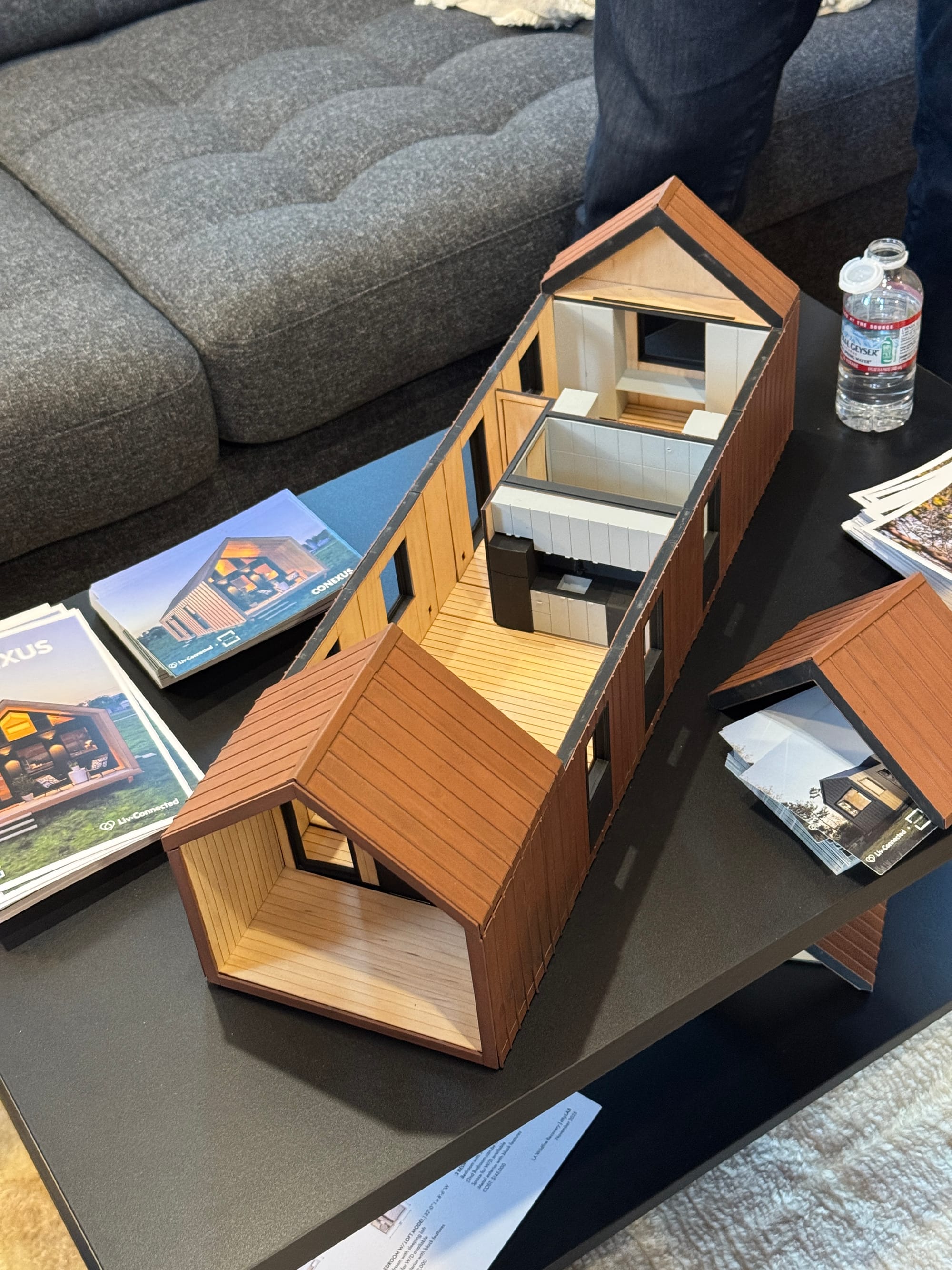
The easiest “demystifying” we’ve done is explain that “prefab” just means that some portion – large or small – of the house has been built in a factory as opposed to outdoors. Some prefab companies will do such tasks in a factory as nail the 2x4s into a hollow wall shape and ship a stack of those to the site. Others crane in a fully formed ADU - fridge included. One neighbor admitted, “I wouldn’t want a prefab home. I don’t like how they look.” But what could he mean by that? The term is an umbrella over a huge array of construction methodologies - it doesn’t allude to any particular aesthetic. “The best prefab homes are often indistinguishable from custom-built homes,” according to Altadena Prefab Housing Handbook (a fantastic resource written by cityLAB UCLA which covers all the basics thoroughly).
Some neighbors don’t need to learn much about prefab to be convinced. Discussing through a burned chain link fence a few months after the fire, my neighbor’s face lit up when I mentioned I work in prefab construction. “That’s exactly what I need!” she said. “I want to move back as quick as possible. I don’t want to start from scratch.” For comparison, another neighbor reached the stage of design of her traditionally-built home where she has to choose finishes, including the flooring, laminate, cabinetry, knobs, lighting fixtures, faucets, and baseboards. “They’re waiting on me to choose the thickness of the window frames,” she said miserably. A third neighbor skirted that process with a pre-designed home that is not prefab but rather traditionally built. “I picked one out of a catalog. My husband wanted to change it a bit, but I said, ‘Just give it to me the way it is.’” This is not an uncommon attitude. Picking from a catalog, a nearly universal offering from the prefab companies I’ve researched, saves time by skipping over much of the design phase.
I believe that building homes in a factory can do more than just shortcut the construction timeline. It can also produce higher quality, watertight, weatherproof, low-waste, and resource-efficient homes that are both healthier for residents and healthier for the environment. It can move us toward a world in which homes have predictable, repeatable, and affordable prices – just like everything else we use in our daily lives – clothes, phones, cars. For these reasons and more, Friends of Prefab has helped dozens of homeowners determine if prefab is right for them.
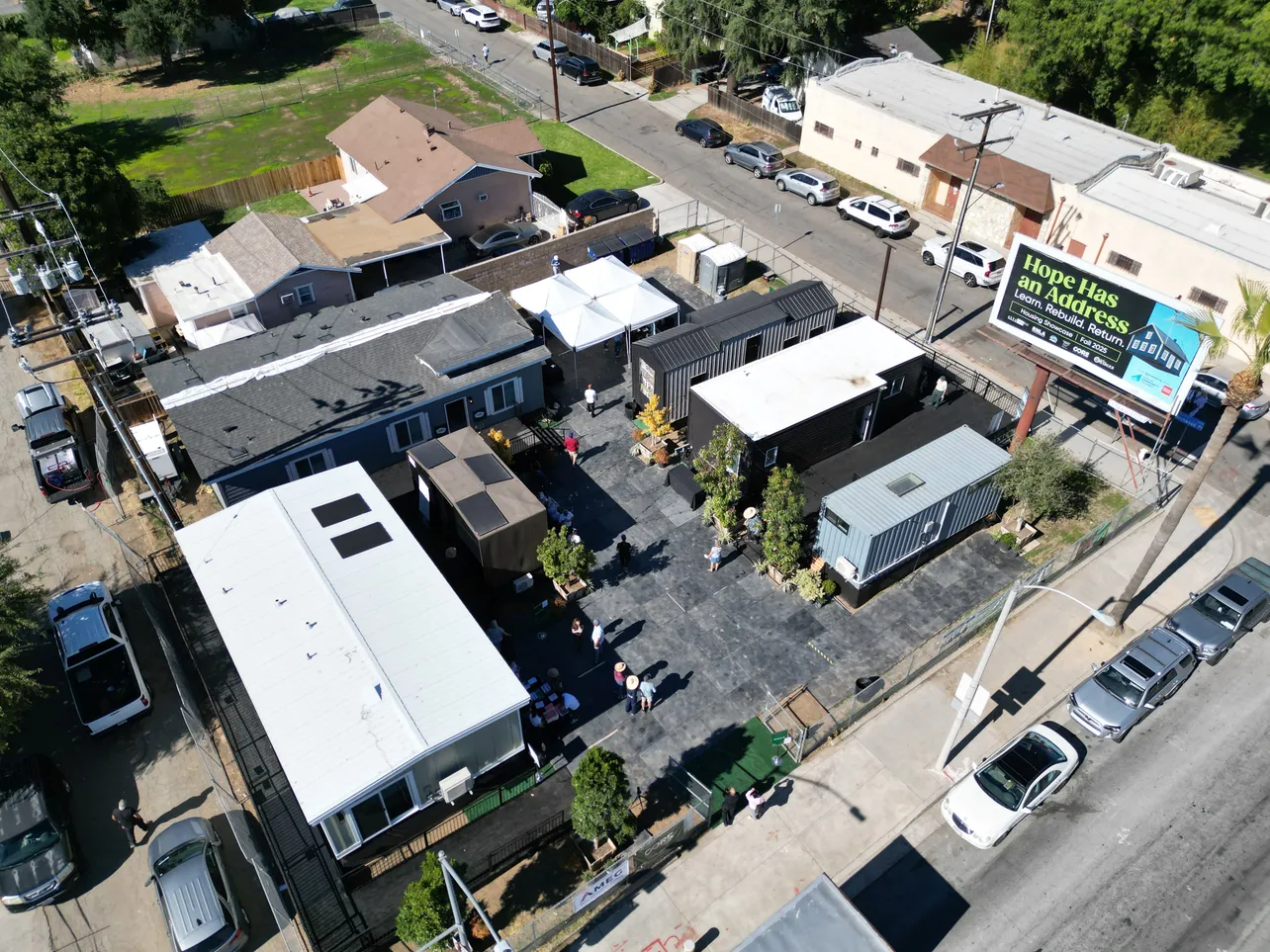
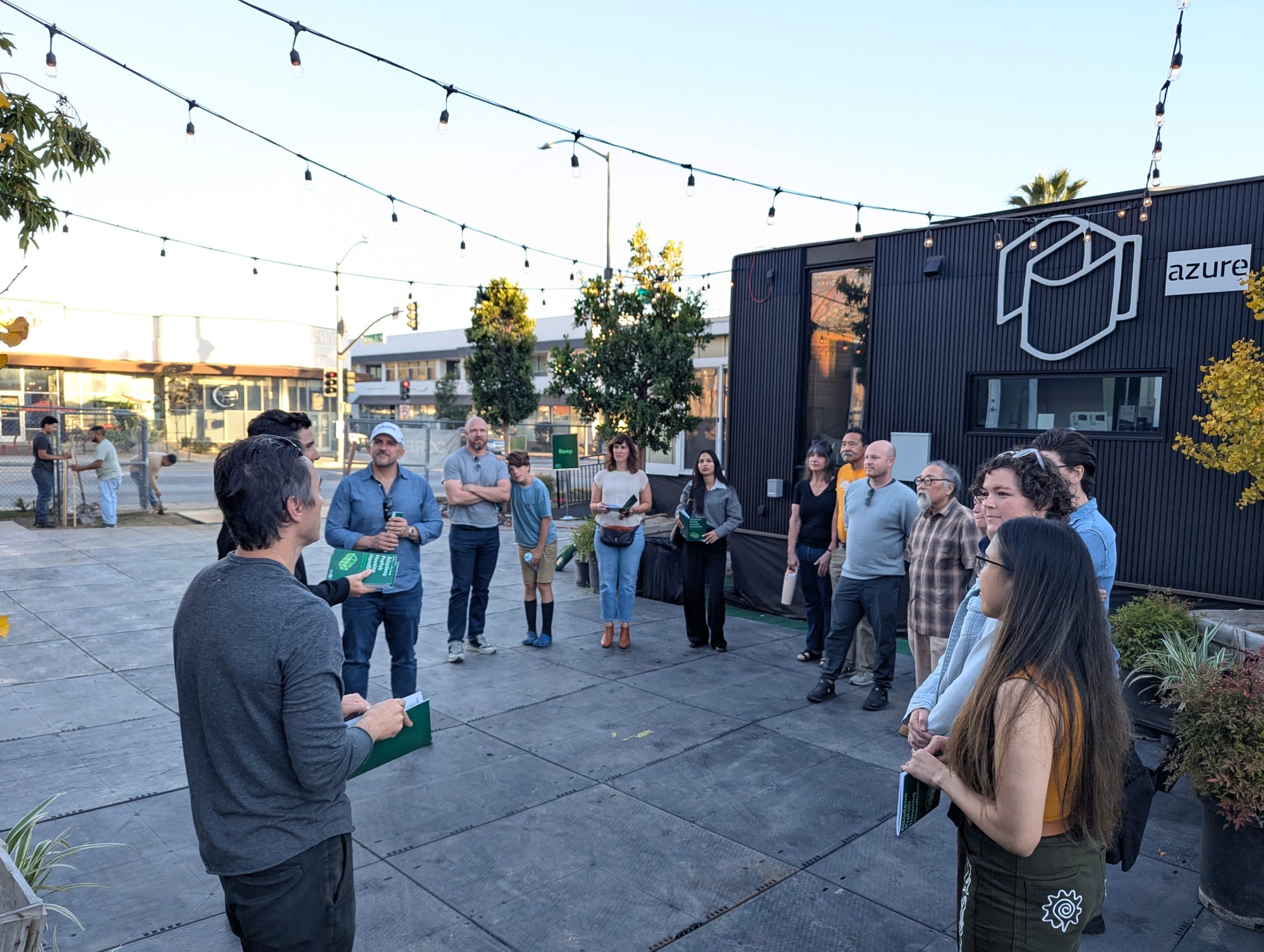
While our volunteers can help with some common desires such as investigating designs, understanding costs, and vetting homebuilders, many neighbors have their questions answered simply by experiencing prefabricated homes in person. One amazing place to do that was the Altadena Prefab Showcase at 2231 Lincoln Avenue that ran through the month of November. (Other amazing places are logged on Friends of Prefab’s Home and Factory Map.)
I met Martin at the Altadena Prefab Showcase. He’s been watering his empty lot in the Palisades where his house once stood. While he’s encouraged by the green clovers that have been sprouting through the soil, he isn’t sure if any of the prefab homes he toured that morning will truly be his path forward. “I’m seventy years old. Even if the house is already built, I don’t have years to spend arguing with the City of Los Angeles about permits.” Ultimately, he and his wife are considering a move to Colorado.
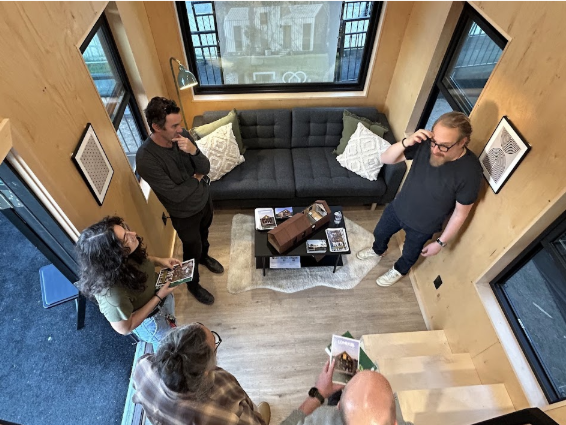
Another showcase visitor walked out of a tiny home on wheels with a big smile on her face. “It feels so homey. I could see myself living there.”
Altadena’s eclectic nature may mean that when it’s rebuilt, each home may look completely different than the next. I look forward to when prefab construction is a widely adopted option that allows homeowners anywhere to select a home that fits their uniqueness. The Palisades and Eaton Fires have presented a huge testing ground. We fire survivors have to decide: how much do we value privacy, peace, community, friendship, and beauty? How do we rebuild so that we can have them all?
Although I’m still mourning the loss of my neighborhood, I believe in the ingenuity and willpower of my neighbors, and I’m honored to help them deliberately construct a community that we can all enjoy together. And in the meantime, I’ll be collecting more Friends. → Friends of Prefab
Disclaimer: The content shared in our blog is for informational purposes only and should not be considered legal, medical, or financial advice. Please consult with a qualified professional for guidance specific to your situation.