A friend of mine who lost a family member on 9/11 has never set foot at a memorial. To this day, they turn everything off and cannot take the onslaught of images, recordings, and reflections of the day that forever altered their family’s life.
My father refuses to join his family members when they solemnly go to visit the plantation land where my ancestors were enslaved.
My husband’s grandfather had no interest in revisiting the internment camp where he was separated from his family and removed from everything he knew and sat out his community pilgrimages.
These are all valid boundaries in the face of trauma anniversaries. We preserve our peace however we can and hold the line for what we can each personally endure.
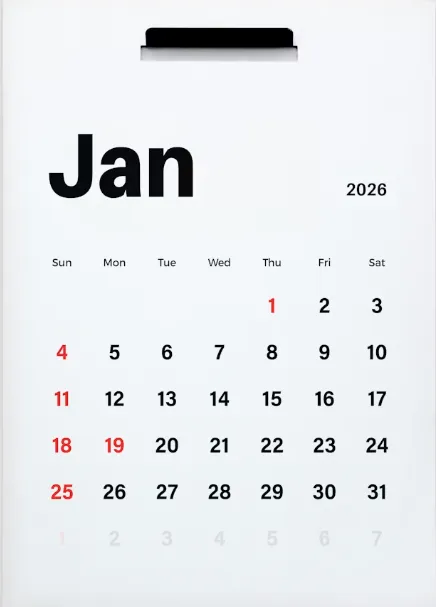
In the next 24 hours, countless media outlets are going to oversaturate us with reminders of one of the worst days of our lives. Many of us have spent the past year desperately trying to remove the sights, sounds, and smells of that night from our everyday lives. We don’t have to invite them back in— and it’s a completely fine and valid choice to opt out.
Experts recommend making a plan and minimizing your media exposure—turning off phones and TVs, avoiding social media, refusing extra obligations, and maybe even taking off work and leaving the area are common plans. I know many families who are planning to be out of town to avoid trauma anniversary triggers, but that’s less of an option for those returning to school from Christmas break this week. Even if you feel prepared, your brain and your body might disagree with each other in the moment— expect that you will have a response.
Regardless of your plan, make sure you have one and hold clear boundaries to preserve your peace. I’ll share my plan to give you some ideas for where to start:
Be Careful with Your Photos
An intentional boundary that I have continued to hold ever since we rushed our terrified small children into the car that night is never taking any photos of the fire or its destruction and aftermath. It is too easy to doomscroll, and I refused to memorialize the horror. My camera roll is a place of peace and joy. It is 89,383 photos of my kids, my very missed dogs, some extraordinary sunsets, and a few incredibly memorable meals. I had one photo of a horrifyingly alien looking Jerusalem cricket that haunted my dreams for too long and decided that I would not memorialize things that did not invoke joy in my photos anymore.
I also know from previous non-alien bug related trauma experience that my iPhone’s photo memories that pop up on trauma anniversaries are not my friend. Even with my effort to keep a clean, joyful camera roll, I know that my phone will try to betray me tomorrow and show me, front and center, the most triggering photo it can find. You can change your settings now to turn off holidays, memories, and featured content.
Limit Media Exposure

Repeated exposure to media coverage of traumatic events causes physical and mental harm. There are studies on people who have developed PTSD simply through passive viewing of media coverage of disasters, not even living them firsthand. This was well-documented following news coverage of 9/11. The media is toxic in more ways than one, and in today’s hypercompetitive media market, every article or story is dialed up to gain the most clicks or views. “If it bleeds, it leads” has been the media credo, and we can expect that tomorrow’s coverage will be as intense as they can make it.
We can easily keep our TVs and radios off and avoid directly visiting news websites. But controlling for other people’s media consumption habits will be more difficult. Rather than avoiding just direct news media, this includes keeping off social media. It includes avoiding public waiting rooms that may have TVs playing, like doctors and dentists offices, or even your local nail salon. Tomorrow’s probably not the day to go shopping for a new TV in case Best Buy has 50 high definition TVs surrounding you, all playing the same news coverage like some immersive hellscape.
Prioritize Attainable Self-Care

I’m a full-time mom of three small kiddos, so I’m extremely neglected in self-care. Indeed, one of the most controversial subjects in any mom group is self-care, which feeds the cycle of mom shame because we are already worked to the bone without enough hours in the day, and now society tells us we’re failing everyone by not pulling more time (and money) out of the ether for self-care. The self-care industrial complex tells us we need regular massages, regular yoga, regular spa days, regular meditation, regular date nights, regular girl trips, regular name-your-bougie-pleasure— but that’s just the commodification of self-care. None of that is actually core self-care.
Self-care is just an intentional focus on attainable everyday behaviors and practices that help our own well-being. Moms are conditioned to put ourselves last— our brains are fundamentally reorganized during and following pregnancy to do this, so it’s not our fault that we neglect our own needs (but local organizations like 4th Trimester, formerly Mama2Mama, are helping to fill this gap for fire moms). Preparing for a trauma anniversary response necessitates intentionally putting some self-care practices into play though, so as hard as it is to counter the behavioral adaptations of the maternally rewired brain, there are some small self-care steps that I am preparing:
- I’m going to make a deliberate effort to stay well-hydrated (every mom’s daily goal that we fall short on even carting around our giant Stanley cups)
- I’m going to take my time and make myself a great, healthy lunch instead of grazing on my kids’ scraps
- I’m going to liberally use the good lavender aromatherapy lotion that I have been saving for the non-existent special occasion
- I’m going to try and pay attention to the feelings in my body today, especially my shoulders, which I have been told rise to meet my ears when I am stressed, and try out a quick progressive muscle relaxation exercise when I notice tension
Times are hard and we are all still suffering the fire’s financial impacts on top of the post-holiday wallet sting, so don’t feel like you need to run out and have a spa day (but if you can swing that, please shop small and shop survivors by visiting a business in the Eaton Fire communities like Sierra Madre Massage Company, Skin Care & Body Work, or Hypnotherapy with Julie Weingarten).
We’ve all had to make trauma response plans and set boundaries in one way or another to protect our peace in 2025, as we have shifted from survival to endurance— and, God willing, resilience. My own understanding of resilience has matured over this year, and I’ve really come to understand that resilience is a much more dynamic and uniquely variable state.
Tomorrow will be hard.
It may be hard for awhile, but trauma anniversary stress often gets better within one or two weeks. Try to plan for it.
If things go sideways, the National Center for PTSD recommends several apps that can help support and guide you. The LA County Department of Mental Health also offers a multilingual fire survivor mental health line that you can contact at any time: call (800) 854-7771 or text “LA” to 741741 for immediate help. Also check out these past articles on mental health and resilience from Lotus Rising LA:
- Music as a tool for healing
- Trauma-informed lessons from the pandemic babies for the fire babies
- Building resilience through recreation: Local activity reopenings are helping kids adapt
- Navigating a child’s fire trauma responses during summer vacation
- How to talk to kids after a disaster
- 10 ways to support mental health and hope after disaster
Disclaimer: The content shared in our blog is for informational purposes only and should not be considered legal, medical, or financial advice. Please consult with a qualified professional for guidance specific to your situation.